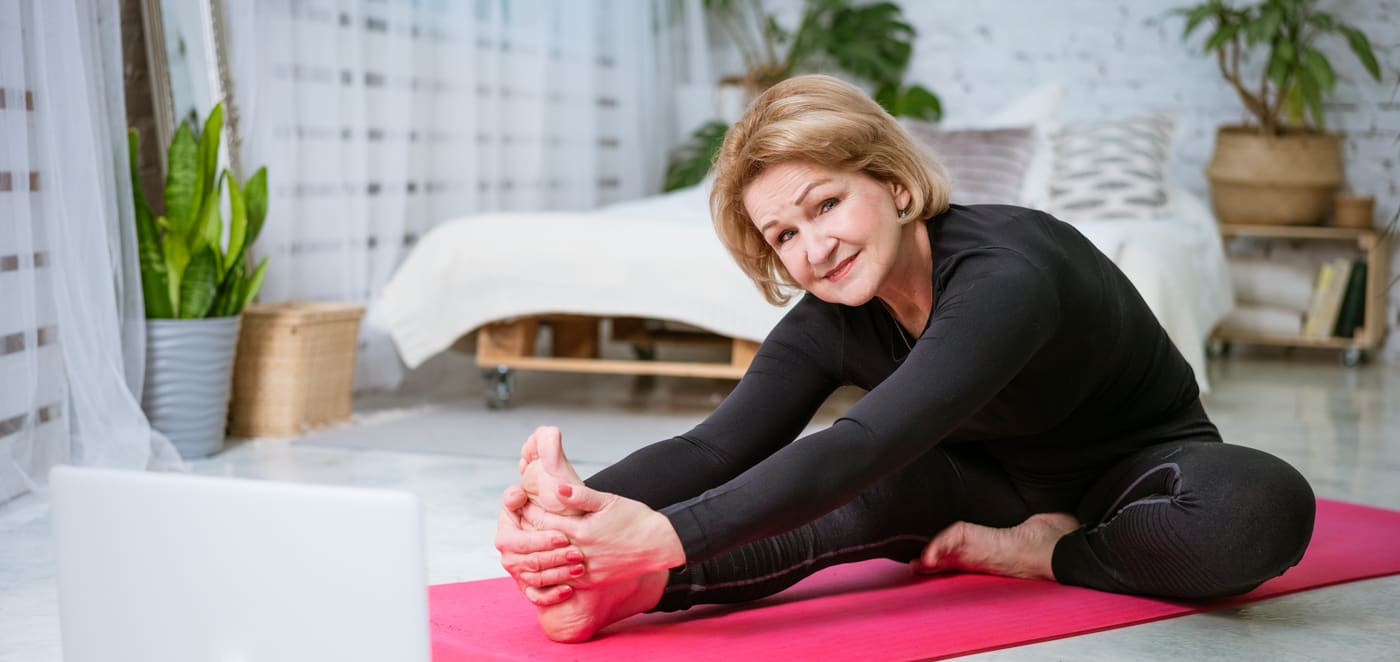
A simple, 10-minute routine that actually help ease rheumatoid arthritis is a concise, daily regimen that soothes joint pain, reduces morning stiffness and maintains range of motion.
You perform soft-joint aquatic exercises for hands, wrists, knees, and ankles along with slow stretches for hips and shoulders. Low-impact breath work calms flares.
Light strength drills with bands provide reinforcement for shaky joints. To be safe, you pace according to pain and improve energy.
Then you receive clear steps, options and timing cues.
Key Takeaways
You deserve a 10-minute routine can help rheumatoid arthritis, one that limits fatigue and joint strain while boosting circulation and loosening morning stiffness.
You’ll get the most mileage out of these four phases: gentle warm-up, joint mobility, light strengthening, and mindful cool-down. Set a timer and carve out a comfortable space to stay on track.
You should move joints only through comfortable ranges, use low resistance with more repetitions, and pause briefly between sets to shield your joints.
Every day you can adapt the routine by changing the intensity, substituting in seated variations, reducing range of motion, and journaling ease your pain and energy to inform adjustments.
You might come away with additional advantages such as improved mood, sleep, and confidence. You can boost compliance by coupling the routine with your medication schedule and times of minimal stiffness.
Anticipate incremental advancement, embrace daily fluctuations, and remain persistent as the small, consistent improvements accumulate to significant long-term success.
Why 10 Minutes Works Is Best Exercise For Rheumatoid Arthritis
You need something you can do every day without crashing. A short routine reduces fatigue and joint stress, so you receive the rewards without a flare. Science says short bursts, including 10 minutes, can reduce pain and stave off damage in people with arthritis. This duration allows you to transition between soft range of motion, light isometric holds, and breath work without venturing into overuse.
Think wrist circles, ankle pumps, a slow sit to stand, then a soft grip squeeze. You end with fuel left in the tank, so you’re motivated to repeat tomorrow. Consistency trumps duration for RA. Your joints and soft tissue crave regular, foreseeable input. Ten minutes, most days, beats a long, infrequent workout.
Multiple studies show that these brief bouts can increase adherence, improve cardiorespiratory fitness, and promote weight loss, which is important for reducing joint load. You can stack sessions: 10 minutes in the morning for stiffness and 10 minutes later for posture and breath. That cadence builds a stable habit and holds inflammation triggers at bay.
Ten minutes matches up with real life. When minutes are scarce or your tank is empty, a short scheme reduces the psychological obstacle. Research suggests mini-bursts of activity, even 10 minutes a day, yield health benefits like improved mood and reduced risk of chronic disease. Others think short sessions are less intimidating and therefore are more motivating and encouraging of follow-through.
If you’re new to exercise program or in a flare, a 10-minute target is reasonable, secure, and encouraging. Short, intentional motion gets your blood pumping and alleviates morning tightness. A targeted block can heat synovial fluid, lessen joint ‘gel’ and activate stabilizer muscles.
Example flow: 2 minutes of diaphragmatic breathing, 3 minutes of neck, hand, and ankle range of motion, 3 minutes of gentle isometrics (wall push, quad set, glute set), 2 minutes of pace walking in place at 3 to 4 kilometers per hour. This dose increases circulation without jolting pain and primes you for the day’s workload.
The 10-Minute ra Routine
Set a timer, clear a safe, comfortable space, and move through four phases in order: gentle warm-up, joint mobility, light strengthening, and mindful cool-down. Each phase targets common RA hotspots without stress. Short bursts work: you can exercise for 10 minutes at a time, break activity into several short blocks, and start with 10 to 15 minutes if you’ve been inactive.
1. Gentle Warm-Up
Begin with slow, rhythmic motions to increase blood flow and loosen stiffness. Concentrate on big muscle groups to lift core temperature without strain. Breathe deep: in through the nose for four counts and out for six, keeping shoulders soft.
Try 30 to 45 seconds each: shoulder rolls, neck circles, seated marches, and easy ankle taps. Include side steps or march in place. If mornings are rough, sit for this, then stand if it feels good.
Step side to side, forward, resting on your right heel, then keep pace calm, with no bounce or hold.
2. Joint Mobility
Passively stretch gently each affected muscle, not to its capacity but only to the point of mild discomfort. Use controlled circles and bends: wrists (flex and extend, gentle circles), fingers (open, close, spreads), ankles (alphabet or circles), knees (seated extensions), hips (small standing swings), and shoulders (pendulums).
JUST A FEW SWEEPING CIRCLES
Ranging from 5 to 10 smooth reps per joint. Avoid any movement that triggers acute pain. Create a checklist — neck, shoulders, elbows, wrists, fingers, spine, hips, knees, ankles, toes — so nothing slips through the cracks.
A 10-minute range-of-motion block can either stand alone or set up strengthening.
3. Light Strengthening
Switch on support muscles with a light band or 0.5 to 1 kg weight. Go for low resistance and higher reps to support joint stability. Options include bicep curls, seated leg extensions, mini squats to a chair, rows with a band, and gentle grip squeezes with a soft ball.
Take one to two sets of eight to twelve repetitions, resting twenty to thirty seconds between sets. Quit before form slips. If pain is worse two hours later than before, decrease length and load next time, even from ten minutes to less.
4. Mindful Cool-Down After Gentle Exercises
Stretch the muscles you used: calves, quads, hamstrings, forearms, chest, and back. Hold for 15 to 20 seconds, with no bouncing, and breathe slowly and steadily to lower tension.
Finish with quick, simple rotations—wrist circles, ankle pumps—to reduce rebound stiffness. Try guided imagery or box breathing.
Follow up and track how you feel after. Note joints, pain levels, and energy to tweak. Daily flexibility is okay. Begin with 10 minutes and if you want, work up to at least 30 on most days. Others do fine with three 10-minute bursts to begin.
Making The Morning Routine Relief From Rheumatoid Arthritis Pain
You frame this 10-minute segment around your ache, mope, and tope. Begin small, keep records, and adjust the combination of range of motion, light strength, and short cardio. Experiment with yoga and tai chi on low-energy days. If pain persists longer than two hours, back off next time.
Use heat pre and ice post if that assists. Try mornings versus evenings, and try to work up toward 150 minutes per week in short intervals.
Match move selection to ache level. Pick light joint glides on ache days.
Match energy peaks with slightly harder sets. Reserve breath work for dips.
Stick to 2 to 3 moves per joint group to keep it focused.
Warm up with slow circles initially, then supplement with light strength or short walks.
Log pain (0–10), swelling, sleep, meds, and results.
Schedule the same time daily so it turns automatic.
Listen
Pay close attention to signals: stiffness easing is fine. Sharp, stabbing, or new pain is not. Observe heat, swelling, or energy surges in and trailing.
Quit immediately with stabbing pain or weird pressure. Resume only when symptoms subside. On flare days, time down, load down or strength skipped. Favor breath-led range of motion and seated mobility.
Employ a zero to ten pain scale pre, mid, and two hours after. If post-session pain is greater than three or lasts more than two hours, adjust next time.
Modify The Exercises For ra
Give your joints alternatives so you can continue to move even with restrictions.
Exercise
Standard
Seated/Support
Lighter Option
Wrist circles
Standing, arms up
Elbows on table
Smaller circles, slower
Sit-to-stand
From chair
Use armrests
Partial stands
Ankle pumps
Standing holds
Seated pumps
Fewer reps
March-in-place
Freestanding
Hand on wall
Slower cadence
Wall push-up
Incline wall
Higher angle
Short range
Shoulder rolls
Arms free
Backed chair
Half rolls
Minimize range, speed or resistance bands to the lightest. Trade standing balance work for seated iterations when dizzy or tired.
Progress
Track metrics weekly: joint range (reach, turn), time in posture, step count, band color used, and pain scores two hours post-session. Some sleep and stress pointers.
Increase one variable at a time: increase two reps, add ten to fifteen seconds, or increase one band level after a symptom-stable week.
Stack minutes: Two 5-minute blocks become a 10. Then, three 10s across the day move toward 150 minutes per week.
Mark milestones: fewer rest breaks, easier stairs, longer pain-free grip. Simple wins maintain your consistency.
Beyond The Physical Benefits
This 10-minute morning routine is about more than loosening stiff joints. It underpins your mind, sleep, daily flow and control, with spillover benefits for work, family, and social life.
Note That Regular Movement Can Boost Mood And Reduce Anxiety
You get an immediate boost to your spirits from even a short session of gentle stretching, light range-of-motion exercises and deep breaths. Regular exercise has been found to reduce symptoms of anxiety and depression by relaxing stress chemicals and providing a pure, simple task you can focus on.
A quick flow of shoulder rolls, wrist circles, ankle pumps and deep nasal breaths can still a busy mind in less than 10 minutes. Over time, this routine operates like a daily reset. You begin the day less tense and conclude it with fewer stress peaks.
Highlight Improvements In Sleep Quality And Daily Function
Consistent, gentle exercise has you sleeping more quickly and soundly, slashing afternoon sluggishness and boosting vigor and endurance. Just a few evening exercises that are easy hip glides, calf stretches, slow spine twists—assist to pacify pain impulses so you awaken less pain in the night.
Better sleep shows up in small wins: you dress with less rush, climb stairs with less pause, and prep meals without long breaks. Observe steadier mornings within two to three weeks of daily practice.
Emphasize Increased Confidence In Managing ra Independently
A repeatable 10-minute plan builds skill and trust in your body. You discover what soothes a flare, when to drop down to a lighter range, and how to schedule your week. That self-know-how enhances mood, reduces stress, and makes you feel more in control.
Many people say they feel more confident and empowered to take control of the pain, medication timing, and planning their days.
Recognize The Social Benefits Of Joining Group Routines Or Classes
Less obvious but just as important, being active can create opportunities for support and community. Nothing like a weekly group class – online or IRL – to add friendly faces, shared tips and consistent nudges to appear.
Social contact is not only essential for emotional well-being, it can enhance live your best life. Group programs don’t just keep your body strong, they keep your mind sharp too. Consistent activity is associated with improved focus and reduced dementia risk.
Integrating With Your Treatment
Your 10-minute ritual works best when it integrates seamlessly with your treatment. Consider it one element of a comprehensive plan that encompasses medication, therapy and relaxation.
Sync your routine to when your symptoms subside post doses. If you’re on oral NSAIDs or paracetamol, try to get moving 30 to 60 minutes after you take them. For morning DMARDs that don’t provide quick relief, tie the habit to your daily warm shower to melt rigidity.
If you use topical gels, put them on 10 to 15 minutes before you begin. For biologic injections, a lot of people experience relief the following day. Try a light version of the routine at that point. If you use short acting relief, time the regimen within its 2 to 4 hour span.
Align Exercise Timing With Periods Of Least Pain Or Stiffness
Pick the time you’re usually looser — typically late morning. If mornings are tough, start with 2 to 3 minutes of heat (warm pack at 40 to 45 degrees Celsius) to prime joints, then your 10-minute set. On flare days, shift to micro-sets: three blocks of 3 to 4 minutes spread across the day.
Slow motions, pain range you can breathe through. Example swap: deep knee bends become seated knee slides; weight-bearing wrist work becomes gentle wrist circles.
Use The Routine As A Complement To Physical Therapy Or Other Interventions
Put the routine on days in between therapy to lock in form. Copy two or three cues from your therapist, like “shoulders down,” “small range,” “steady breath,” into every move. If you wear splints, mobilize before you secure them.
If you use heat or hydrotherapy, perform the sequence immediately afterwards when tissues are warm. After your injection, pause the amount of time your clinician recommends, then begin again with half range.
Maintain A Record Of Exercise Alongside Other Treatments For Holistic Management
Track in one log: date, time, moves done, pain (0 to 10), fatigue (0 to 10), meds taken, and flare notes. Review on a weekly basis to identify patterns, for example, better results 45 minutes after taking medicine or worse sleep after late practice sessions.
Bring this to your clinician to polish dosing and pacing.
What To Realistically Expect
You’re in it for measured improvements, not immediate answers. A 10-minute routine is a brilliant design for RA, but expect slow transformation. Research backs exercise therapy in arthritis, but there isn’t enough evidence to conclude that one program is superior to another. That means your routine can be simple and still work: joint range-of-motion drills, light resistance with bands, and short walking bouts at a calm pace.
Anticipate glacial but significant advance. Others require weeks or even months to experience less morning stiffness, improved grip, or smoother stairs. Improvements often show up first as small wins: turning a door knob with less strain, standing up with fewer pauses, or holding balance longer. Strength, flexibility, and aerobic fitness will get better, but symptoms might not go away.
Anticipate day-to-day fluctuations. ra pain is different, so some days you’ll make good progress. Other days you’ll slow down. Take pain as information. Mild discomfort is typical and fine. Sharp or increasing pain is not. If pain spikes, quit, rest, or convert back to soft range-of-motion work.
Try to time your 10 to 15 minutes when your pain and stiffness are lowest, usually post-shower or heat pack. Divide exercise into brief bouts to reduce injury risk and prevent burnout. Two to three mini-sessions of five minutes across the day can equal one ten to fifteen minute block.
For example, in the morning do wrist circles and finger spreads; at midday do band rows and sit-to-stands; in the evening do ankle pumps and a short walk of four hundred to six hundred meters. Add time incrementally, like two to three minutes per week, and increase frequency before intensity.
Keep at it. Regular exercise develops joint support and control, mitigates flares sparked by deconditioning, and boosts energy. Fatigue generally subsides as sleep normalizes, but that reward can be a while coming.
Keep your form strict, use light loads at first, and shield joints with neutral wrist and knee alignments. Log sessions to find patterns and adapt.
Conclusion
You want less suffering, more simplicity and a strategy that suits living. Ten minutes can move the marker. Small daily actions accumulate. Stiff hands feel more loose. Knees track more favorably. Your breath calms your nerves. Sleep a little deeper. Mornings sink less.
To keep it real, track something. Grasp a towel and record your hold time. Or time a sit to stand set. Check in every week. Witness evidence, not speculation. On hard days, reduce reps, not the habit. On good days, add an additional sweep or stretch.
Your care team stays connected. Report victories and stumbling blocks. Request modifications.
Wanna try it today? Set a timer for 10 minutes and begin your first round.
Frequently Asked Questions
Does a 10-minute routine is really help those people with rheumatoid arthritis?
Yes. Quick, daily bursts combat stiffness, maintain joint range, and encourage circulation. Here’s a proven, 10-minute ritual that actually helps rheumatoid arthritis. It’s easier to adhere to, which increases long-term results.
What should be in a 10-minute RA routine?
Add in gentle joint mobility, light stretching, and low-impact strength. Focus on wrists, hands, ankles, knees, hips, shoulders, and spine. End with gentle breathing. Maintain pain-free controlled movements.
How often should you do this routine?
Daily is best. On flare days, shorten reps or switch to breathing and gentle range of motion. Consistency trumps intensity. Monitor symptoms to inform modifications.
Is it safe during a flare?
Yeah, with caution. Skip painful ranges and high resistance. Employ slow, pain-free movement, isometrics, and breath work. If swelling or heat increases, cease and rest. My advice is to check with your rheumatology team.
Do you need equipment?
No. Your body weight and a chair will do. A soft mat, light resistance band, or small towel can assist. Comfort and security are top priorities.
How soon will you notice benefits of excercise?
Several experience help reduce stiffness and pain within a week. Strength, balance, and energy get better over a four to eight week period. Results vary based on regularity and severity.
How does this fit with your treatment plan?
Pair it with your medication and talk to your doctor. Exercise works with DMARDs and biologics to maintain function and decrease fatigue. Take this routine to your clinician for tailoring.
This article is for general education and is not a substitute for a medical consultation. For advice about your own symptoms, please contact our office. In an emergency, call 911.
Board certified in Rheumatology, Internal Medicine and Geriatrics, with over 15 years of experience treating autoimmune and inflammatory conditions. Dedicated to comprehensive, patient-centered care in Marietta, Georgia.
Rheumatoid arthritis (RA) is far more than joint pain. It’s a systemic autoimmune disease that can affect your eyes, skin, lungs, heart, energy levels, and daily functioning. Early diagnosis, timely treatment, and…
When you start experiencing persistent pain and swelling in your body, understanding what is happening beneath the surface becomes essential for your long-term health. Because both conditions are chronic inflammatory…
Living with chronic joint pain and stiffness can be incredibly challenging, and getting a clear diagnosis is often the first step toward managing your condition effectively. This article will help you understand…
Lupus vs rheumatoid arthritis is about how each disease impacts your immune system, your joints, and the rest of your body. You contend with lupus as something that can affect countless organs, from the skin to the…