Osteoarthritis treatment is a combination of exercise, weight control, pain control, and joint care that gets you moving with less pain.
You achieve outcomes with low-impact exercise, such as walking or biking, along with strength training for hips and knees.
Over-the-counter NSAIDs relieve pain, and topical gels have fewer side effects. Heat and cold packs provide temporary relief.
For more advanced cases, injections or surgery might assist. Up next, you get clear steps, options, and when to seek care.
Key Takeaways
- Begin by making lifestyle changes that slow joint degeneration and alleviate pain. Integrate exercise, weight control, information, and encouragement for optimal outcomes.
- Stay active with low-impact exercise and directed strengthening. Develop a routine that is consistent with your capabilities and symptoms.
- Control your weight to relieve stress on your knees and hips. Even modest weight loss can reduce pain and the progression of cartilage degradation.
- Follow a stepwise pain plan starting with topical NSAIDs. Then use oral NSAIDs if necessary. Watch for side effects and combine drugs with non-drug approaches.
- Throw in some physical and occupational therapy and assistive devices to safeguard joints and preserve independence. Monitor your progress and refine your plan as time goes on.
- Think of injections, complementary therapies, or surgery when conservative care isn’t enough. GOALS: Outline clear goals and evaluate results with your care team.
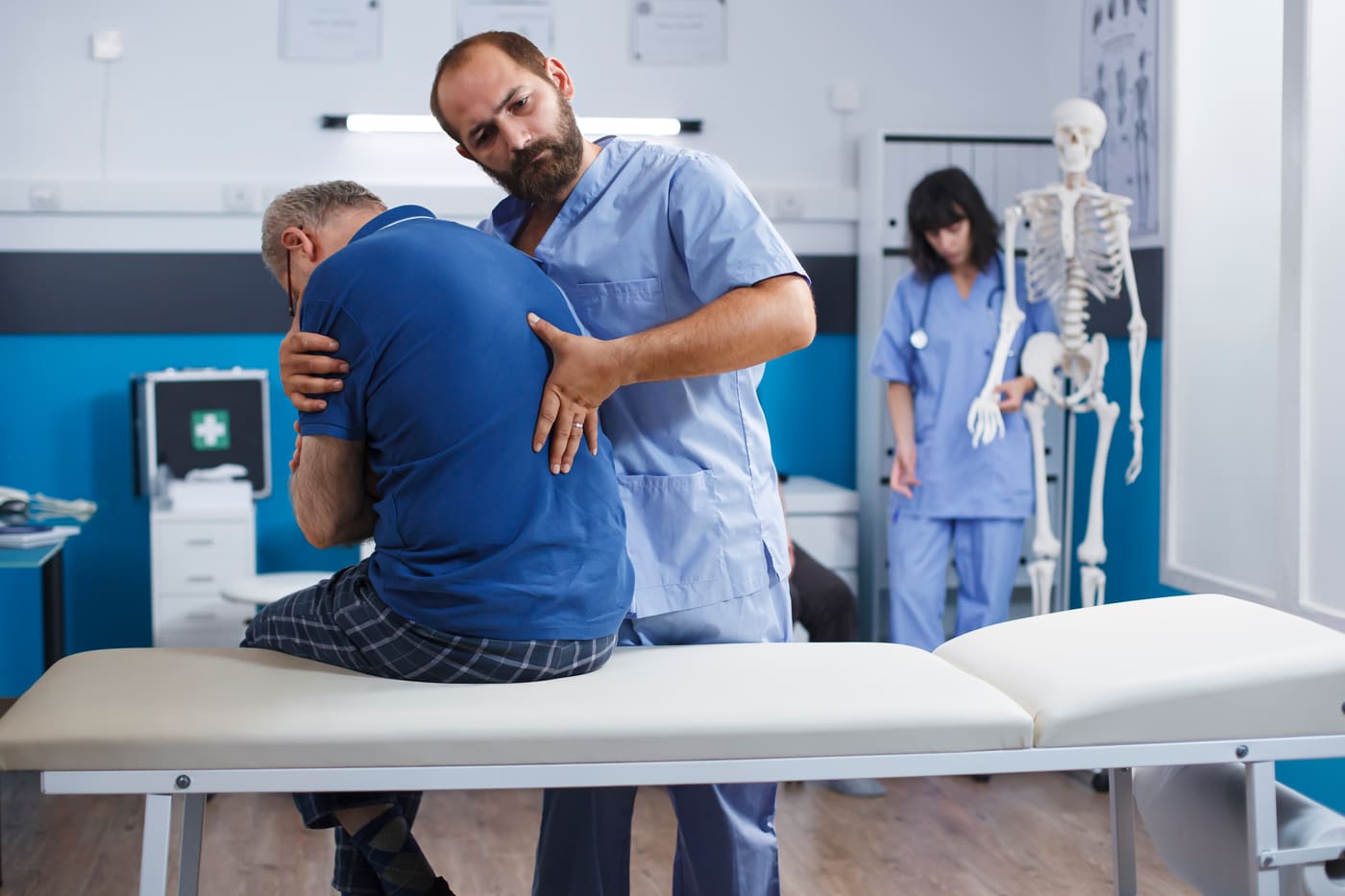

Foundational Osteoarthritis Treatment Option
Early action counts in managing osteoarthritis. You decelerate joint damage, relieve pain, and preserve function once you begin with lifestyle measures. By developing these habits in advance, you maximize any subsequent treatment options.
1. Movement
Try to get regular movement most days to maintain range and lubricate stiffness. Light stretches for the hips, knees, hands, and the spine in the morning and after activity enable you to move with less pain. Hang each stretch for 20 to 30 seconds and repeat 2 to 3 times.
Low-impact cardio protects joints while you build stamina. Brisk walking on flat paths, cycling (outdoor or stationary), or pool work like laps or aqua jogging are effective options. Begin with 15 to 20 minutes and aim for 150 minutes a week as you get better.
Build up muscles that protect aching joints. Focus primarily on quads and glutes for knee pain through sit-to-stands and wall squats, hip abductors for hip pain with side-lying leg raises, and calf and hamstrings for gait support. Perform 2 to 3 times per week, with 1 to 3 sets of 8 to 12 repetitions.
Plan enough for your pain level. Use a 0 to 10 pain scale. Keep activity if pain stays less than or equal to 5 during and settles within 24 hours.
2. Weight
Even modest loss benefits joints. Every 5 kg less can reduce knee load by that multiple of times with each step, reducing pain and cartilage degeneration.
Work toward a healthy range for your height. If weight loss is necessary, strive for 0.25 to 0.5 kg per week.
Combine food changes with increased daily activity. Make half your plate veggies, opt for lean protein, and avoid ultra-processed snacks and sugary beverages. Monitor consumption and weight each week to stay on track.
3. Education
Know what OA is, what it’s not, and what tools you have. Clear facts help you select steps you can maintain.
Build self-care skills: flare planning, safe use of pain meds, and spotting side effects. Consult reputable resources such as national arthritis organizations and evidence-based workshops.
Use pain scores, morning stiffness, and step counts to track progress.
4. Support
You do better with people in your corner, family, peers, or a counselor who understands chronic pain. Employ groups to trade advice on pacing, sleep, and joint protection (raised chairs, wide-handled tools).
Online forums and local classes provide inspiration and accountability. Seek assistance with chores on your down days. Alternate tasks, divide loads, and schedule breaks between trips.
Managing Pain Management And Inflammation
When it comes to handling pain and inflammation, you need a stepwise plan that starts gently and adds strength only if symptoms persist. Strive to reduce pain and inflammation so you can move more, sleep more soundly, and keep daily activities manageable.
Manage pain and inflammation by following your body’s lead. Track how you feel, note side effects, and change approaches if your body rebels. Combine medications with exercise, weight control, hot or cold therapy, splints, and scheduling your day.
Topical Agents
Begin with topical NSAIDs, such as diclofenac sodium 1% gel, for instance, on aching knees or hands. They work right at the joint with less whole-body exposure, which minimizes the stomach, heart, and kidney dangers associated with pills.
Apply the metered dose, massage it in, and wash your hands. Try topicals first if pain is mild, if you are older, or if oral drugs conflict with other conditions. Rotate sites, avoid broken skin, and adhere to labeled frequency to curb rash or itch.
If pain persists, supplement with capsaicin 0.025 to 0.075 percent to help desensitize local nerves or menthol-based creams for cooling. For hands, use multiple times per day. For knees, combine with exercise and an easy sleeve. Cease if burning or redness becomes difficult.
Oral Medications
Turn to oral NSAIDs — ibuprofen, naproxen, or a COX‑2 inhibitor — when topical therapy fails, particularly in weight‑bearing joints. Take the smallest dose that works, take it with food, and review it every week.
Acetaminophen (paracetamol) can aid in mild pain. Keep total daily intake under 3 g unless your clinician recommends otherwise. Do not use with heavy alcohol consumption or liver disease.
With short courses of weak opioids reserved only for acute flares or bridge care, schedule a stop date. Look for sedation and constipation. For NSAIDs, test for stomach ulcers, hypertension, heart disease, and kidney problems.
Consider adding a proton pump inhibitor if you have a gastrointestinal risk.
Injection Therapies
Intra-articular corticosteroids provide rapid relief during flares, most practical in knees or hips. Effects last weeks, not months. Space injections, usually no more than 3 to 4 per joint each year, to reduce cartilage damage risk.
Hyaluronic acid might relieve knee pain and stiffness through enhanced lubrication. Effects differ and the advantage is limited.
For really rough situations, talk about newer injectables or multi-pronged approaches with your specialist. Tailor selection to your objectives, risk profile, and past response. 
Physical And Supportive Therapies
You’re trying to manage osteoarthritis, slow joint wear, stay mobile, and relieve pain. These therapies develop strength, protect affected joints, and keep you operational day to day.
Physical Therapy
You receive a customized plan based on your joints, fitness, and goals. Core and hip work for knees, such as mini-squats and bridges, quad sets, and glute medius drills stabilize your gait.
Range-of-motion exercises, including heel slides, mild knee flexion, and shoulder pendulums, prevent joints from hardening. Balance exercises, like single-leg stands, decrease the risk of falls.
Therapists can access therapeutic ultrasound for short-term pain relief, plus manual soft-tissue work and joint mobilization to reduce swelling and enhance glide. These can assist you in moving with less catch and stress.
You learn body mechanics: keep loads close, hinge from hips, avoid deep knee bends when lifting, and pace stairs. Use the “pain rule”: mild pain that settles within 24 hours is acceptable. Spikes that persist mean you scale back.
Progress is monitored with visual analog pain scales, timed chair stands, six-minute walk distance, and joint range. Data assists in tuning frequency, load, and rest.
Occupational Therapy
You practice task tweaks that spare joints. Use both hands to hold a pot, slide items instead of lifting, and sit for prep work to offload hips and knees.
Ergonomic tools assist with wide-handled spoons, jar-openers, raised toilet seats, lever door handles, and sit-stand rigs that keep wrists neutral. Joint protection refers to techniques such as using smaller loads, taking frequent breaks, and utilizing larger joints to exert force.
A custom thumb CMC splint can soothe pinch pain. Activity schedules segment work into mini-episodes, with hot springs before exercise and ice after stress.
Goal: Keep independence even with flares. You pick up support techniques so you can shower, get dressed, and work with less assistance.
Assistive Devices
Knee sleeves or hinged braces provide added warmth and stability. Unloader braces redirect stress from a painful compartment.
A cane in the opposite hand can cut knee or hip load. Walkers provide balance for extended walks. Medial or lateral wedges in your shoe inserts can sometimes help reduce knee drift and associated pain.
For hand OA, resting or functional splints support the thumb base or painful DIP joints. Custom orthoses fit better for everyday tasks.
Device comparison:
- Cane: hip/knee—reduces load, improves balance
- Walker: multi‑joint—max stability, posture support
- Knee unloader brace: knee—offloads the compartment, reduces pain
- Soft knee sleeve: knee—warmth, light stability
- Thumb CMC splint: hand—supports pinch, lowers pain
- Shoe inserts/wedges: knee/foot—redistributes weight, aligns limb
Exploring Surgical Pathways
Surgery enters the picture when pain, swelling, or stiffness prevent you from performing daily tasks despite weight management, exercise therapy, braces, injections, and medications. You generally gravitate towards surgery if imaging reveals joint wear, your joint drifts out of line, or night pain and short walks of less than 500 to 800 meters continue to be difficult.
We discuss with you and your surgeon joint preservation versus joint replacement depending on damage, age, activity, and goals. Important questions to ask are anticipated pain relief, functional gains, risks, rehabilitation time, and implant or repair lifespan. 
Joint Preservation
Perhaps you’ll squeak by with preservation when damage is focal, alignment is wonky, or ligaments are lax and joint space remains partially preserved.
Arthroscopy can polish pitted cartilage and chop out loose fragments. It’s good for helping with catching or locking, not when diffuse arthritis fills the joint. An osteotomy shifts load by essentially cutting and realigning the bone and is common with bow-leg or knock-knee knees, where it can move stress away from the worn side.
Meniscal repair or transplant maintains shock absorption when a deficit fuels discomfort. Cartilage options range from microfracture, osteochondral grafts, or cell-based transplants for small lesions in the knee or ankle. Both seek to reduce wear and defer replacement by years.
Early weight bearing is possible soon after uncomplicated scope work, while osteotomy requires weeks on crutches and bone healing. Risks are non-union, nerve irritation, clot, and symptoms that persist if arthritis is diffuse. Best fit: younger or active adults who want to keep their own joint and accept staged care.
Joint Replacement
When X‑rays demonstrate bone‑on‑bone and pain interrupts sleep or work, total hip or knee replacement is the norm. The surgeon excises damaged cartilage and a thin layer of bone, then seats metal and polyethylene components with or without cement.
Hips will typically permit full weight within days, while knees require structured rehab to reintroduce bend and strength. Most go back to desk work in 4 to 6 weeks and sports such as cycling or swimming by 3 to 4 months.
Hips really give faster relief and feel more “natural” than knees. Knees, on the other hand, may get better for a full year. For many patients, today’s implants can last 15 to 25 years, though patients who are very active or younger experience higher revision rates.
Risks such as infection, clot, stiffness, instability, and rare nerve injury exist. Aggressive infection prevention and early motion reduce chances.
The Role Of Complementary Approaches
You can add non-drug options to relieve pain, ease stress, and support joint function. Use them alongside your medical plan, not as a replacement, and track changes in arthritis symptoms, pain, sleep, and mobility to judge value.
Mind-Body Practices
You can condition your nervous system to turn down the volume on pain messages. Mindfulness and short meditation of eight to ten minutes a day lower your stress reactivity and allow you to observe pain without alarm.
Body scans and progressive muscle relaxation also ease guarding around sore joints, which can increase range. Soft movement such as yoga or tai chi strengthens balance, hip and knee control, and flexibility.
Opt for slow, low-load styles, avoiding deep knee bends or long holds that raise pain. Strive for two to three sessions a week, thirty to forty-five minutes, in a class that can adjust poses.
Cognitive-behavioral tools help you reframe ‘I can’t move’ thoughts, set graded goals, and pace tasks. Simple breathing drills, such as box breathing or 4–7–8, or guided imagery provide short-term pain relief and calm prior to going to bed.
Nutritional Strategies
An anti-inflammatory plate helps by including mostly plants, whole grains, legumes, nuts, olive oil, and fish rich in omega-3, such as salmon and sardines, two to three times weekly.
Think lean protein, limit added sugar, and watch portions to help with weight management, which is a key factor in reducing knee load. Glucosamine sulfate (1,500 mg per day) and chondroitin (800 to 1,200 mg per day) might help some of you with knee pain.
Try for 8 to 12 weeks and discontinue if there is no benefit. Turmeric/curcumin (500 to 1,000 mg per day with pepper extract) can marginally reduce pain. Check interactions and liver safety.
Restrict ultra-processed foods, trans fats, too much alcohol and salty snacks. Sample list includes berries, leafy greens, broccoli, lentils, walnuts, chia, flaxseed, extra-virgin olive oil, green tea, yogurt or fortified alternatives, and vitamin D if low.
Fish oil should be 1 to 2 grams of EPA plus DHA.
Manual Therapies
Aim for hands-on care for short term relief while you gain strength. Massage can reduce muscle tension around the knee and hip and enhance sleep.
Therapeutic ultrasound and warm mineral baths can soothe soreness in the short term. Some of you may be better off with some chiropractic or osteopathic manipulation for spine or hip mechanics that impact knee load.
Combine all manual labor with calf, quad, and hamstring stretches, then introduce closed-chain strength exercises such as sit-to-stand and step-ups. Employ licensed providers, establish goals, and re-evaluate every 4 to 6 weeks for pain, gait, and function. 
Creating Your Personalized New Treatments Plan
You need a plan that fits your joints, your day, your pain level. What works for knee OA may not work for your thumb base or lower back. Chart your critical symptoms, triggers, and boundaries.
Observe morning stiffness duration, aches after 2 to 3 kilometer walks, swelling after stairs, or grip pain when cooking. Discuss health history, sleep, mood, and work demands. Baseline measures help: pain scores from 0 to 10, joint range of motion, step count, and body mass index (BMI). This provides a defined beginning and aids in establishing goals.
Individualize Osteoarthritis Treatment By Joint Severity
Align therapy with joint load and function. For knee or hip, concentrate on weight-bearing control and hip-core strength. For hands, joint protection, heat, and splints.
For spine, posture balance drills and flexion-extension balance. Stage severity includes mild pain with long use, moderate pain with daily tasks, and severe rest pain or night pain. Every phase requires varying degrees of intensity and treatment.
Integrate Foundational, Pharmacologic, And Supportive Therapies
Foundational: Strength two to three days per week, daily low-impact cardio such as cycling, swimming, or brisk walking, balance exercises, and weight loss if BMI is greater than 25 kg/m².
Pharmacologic: Topical NSAIDs for knees and hands, oral NSAIDs in the lowest dose and shortest duration, acetaminophen for short periods, and discuss proton pump inhibitor if there is a GI risk.
Supportive: Knee brace, thumb CMC splint, cane on the opposite side, and shock-absorbing shoes.
Complementary: Heat before activity, ice after flares, tai chi, yoga, and mindfulness for pain coping. Cortisone injections might assist in the short term during spikes.
Set Realistic Pain, Mobility, And Protection Goals
Target a 30% decrease in joint pain, a 10–20% increase in strength, improved 6-minute walk time, and more restorative sleep. Monitor weekly and adjust loads in small increments of 5 to 10%.
Regularly Adjust Treatment Based On Response
Review every 6 to 12 weeks. If pain remains high, reduce intensity, reevaluate form, or rotate activities. If NSAIDs cause stomach upset, change to topical or add protection.
Escalate to imaging or surgical consult if locking, large swelling, or major function loss appears. 
Conclusion
You encounter genuine boundaries with osteoarthritis, yet you possess the potential to maneuver, function, and thrive. It’s those little steps that stack up. Brisk daily walks. Strength work two to three times per week. Weight goals in definite ranges. Heat before you go. Ice after you load a joint. Track pain, sleep, and medications. Limit yourself to one change per week. Remain on that regime for four to six weeks. Then examine.
Apply pain tools judiciously. Use NSAIDs in short spurts. Apply a topical gel for a sore knee or hand. Consider injections for obvious flares. Consider surgery for severe cases with evident symptoms.
Looking for the next step? Book a single visit with your clinician. Bring your goals, your pain log, and one question you’d like answered. Then begin today.
Frequently Asked Questions
What is the best first-line treatment for osteoarthritis?
Start with lifestyle modifications to manage arthritis symptoms. Strive for easy exercise, maintain a healthy weight, and protect your joints. Add topical NSAIDs for pain relief. For stiffness, apply heat, and for flare-ups, use ice. These actions are secure, efficient, and research-supported.
Which medications help manage osteoarthritis pain?
Topical NSAIDs are first-line for many joints, especially in managing osteoarthritis symptoms. Oral NSAIDs can aid in short-term relief if you can safely take them. Acetaminophen helps with mild pain, while discussing risks, including stomach and kidney safety, with your clinician is essential.
Do injections work for osteoarthritis?
Yes, some. Corticosteroid injections can relieve pain for a few weeks, while hyaluronic acid injections might aid knee osteoarthritis in certain instances. However, these injections are instruments, not miracles, and should be used alongside exercise and weight control.
What exercises are best for osteoarthritis?
Choose low-impact activities like walking, cycling, swimming, or water aerobics to help manage joint pain associated with osteoarthritis. Introduce strength training for muscles surrounding the affected joints, and don’t forget balance and mobility work for improved stability.
When should you consider surgery for osteoarthritis?
Consider surgery if arthritis symptoms disrupt daily life, sleep, or work despite complete conservative care. Images should correspond to your painful joint symptoms. Total joint replacement works wonders for end-stage knee osteoarthritis or hip osteoarthritis. Discuss risks, recovery, and goals with your orthopedic surgeon.
Are supplements or alternative therapies useful?
Some find benefit from turmeric (curcumin), omega-3s, or acupuncture for managing osteoarthritis symptoms. The evidence differs. Turn off high-dose glucosamine/chondroitin if no benefit after 3 months. Always go with trusted brands and check for interactions with your clinician.
How do you create a personalized osteoarthritis plan?
Combine goals, joint evaluation, and your health profile. Start with exercise, weight management, and pain control for managing osteoarthritis. Layer physical therapy, braces, or articular injections as needed. Track progress and adjust every 6 to 12 weeks with your care team for long-term success.