Raynaud’s phenomenon symptoms are color, sensation, and temperature changes in your fingers or toes when blood flow is restricted, typically in the cold or under stress.You can watch your skin becoming white, then blue, then red, withnumbness, tingling, or pain. Symptoms can be mild or pretty acute and can involve ears, nose, or lips.To figure out what is normal and what requires attention, you need clear information first.
Key Takeaways
- Raynaud’s can be identified by the color changes in your fingers or toes, typically white, then blue, then red, and numbness or tingling while or after cold or stress. Recognizing this pattern assists you in distinguishing Raynaud’s from other circulation issues.
- Raynaud’s phenomenon symptoms: A sudden change of temperature or stress triggers attacks where your fingers and toes go numb, turn white or blue, and feel cold and tingly. Keeping a record of when these symptoms occur and for how long they last assists your provider in determining the severity of your disease.
- You can limit attacks by avoiding your personal triggers, such as cold, holding cold objects, emotional stress, smoking, specific medications, or vibrating instruments. Maintaining a straightforward trigger checklist or diary provides you with better patterns to avoid or manage.
- You need to understand primary versus secondary Raynaud’s, as secondary forms are associated with other diseases, like scleroderma, lupus, or rheumatoid arthritis, and tend to be more severe. If you notice sores, ulcers, infections, or skin changes, you need medical evaluation as soon as you can get it.
- You can shield your hands and feet by layering warmly, wearing gloves and thick socks, and warming up gradually after exposure. Incorporating stress management strategies, like deep breathing or relaxation exercises, can reduce attack frequency.
- You gain a straightforward daily management scheme of self-care habits, symptom tracking, and regular medical follow-up to discuss treatments such as medicines or rarely procedures. This framework keeps you moving and autonomous in Raynaud’s life.
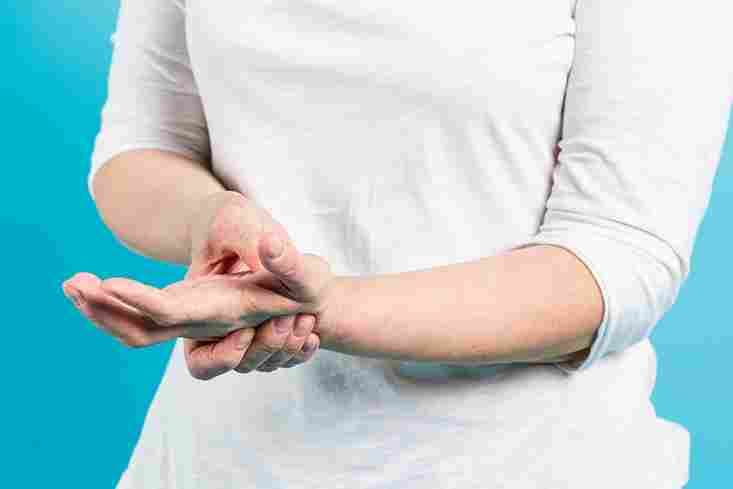

What Are Raynaud’s Phenomenon Symptoms?
You experience Raynaud phenomenon when small blood vessels in yourfingers and toesclamp down due to cold temperatures or a stressful situation, causing episodic skincolor changes and temporarily blocking blood circulation.
1. Color Changes
The most obvious symptom is the color change in your skin. Raynaud’s fingers or toes can turn white with the initial decrease in blood flow, then blue as oxygen runs low, and then red as circulation returns and vessels reopen. This can appear patchy, so one finger joint might be white while another remains normal.You primarily notice this in fingers and toes, but it can appear on your nose, ears, lips, or even nipples, which are easy to overlook if you’re bundled up. Perhaps only one finger or toe is hit at first, then later more join in during future attacks.It’s these color swings that distinguish Raynaud’s from general “poor circulation.” If possible, record which digits turn, the episode duration in minutes to hours, and what appeared to trigger it, such as grasping a cold beverage or entering air‑conditioned air.
2. Sensory Shifts
In addition to the color change, you might experience tingling, numbness, or a ‘pins and needles’ feeling during the cold phase. Others experience it as if the extremity has ‘gone dead’ and they can’t quite hold a key or button a shirt smoothly.As blood returns, that numbness can flip to sharp, burning, or throbbing pain. Pain can be mild inprimary Raynaud’sand more intense in secondary forms tied to other diseases. Keeping a simple note of what you feel, not just what you see, helps your clinician judge how active your Raynaud’s is.
3. Temperature Drop
The part will frequently be much colder than the rest of your body. You might experience one hand that is ice cold and the other near normal or a few toes chilled even in thick socks. Cold hands or feet might be the only initial symptom you notice, such as in a chilly room or after contact with metal, frozen food, or cold water.A quick comparison of the cold finger to one that appears normal can accentuate the change for you and your clinician. Easy things like warm gloves, chunky socks, and warming your hands in lukewarm (not hot) water can reduce both attack frequency and duration.
4. Pain And Throbbing
As the blood rushes back, you may experience aching, pulsing, or stabbing pain in the same areas that were numb just minutes before. This rebound pain can dissipate quickly or linger. One attack could be minimal, and the subsequent attack might compel you to lie down.If the attacks come back day after day, that stress on the skin and soft tissue can accumulate, and the pain can begin earlier or linger for longer. Keep track of the frequency and scope of these attacks and the extent to which they limit activities such as typing, cooking, or outdoor work, as these inform whether you require drug therapy or lifestyle modifications.
5. Beyond The Obvious
With more severe or chronic Raynaud’s, particularly the secondary variety associated with autoimmune problems such as scleroderma or lupus, you can develop tiny, painful wounds at the finger or toe tips. These can crack, become infected, or heal very slowly.Occasionally, the nail folds appear swollen or demonstrate telangiectasias when a clinician examines them with transillumination. Skin around the tips may become thick or hard, and in rare severe cases with long-term compromised blood flow, tissue can die and blacken (dry gangrene).Any non-healing sore, pus, stinky, or bony change in nail shape is a red flag and should be documented and brought to a healthcare provider as soon as possible, even if your earlier Raynaud’s symptoms felt mild or “not too bad.
The Triggers Behind An Attack
You can’t control every Raynaud trigger, but you can figure out what triggers your attacks and plan around them. Cold, stress, hormones, smoking, certain medications, and even your art supplies can contribute.Well, a simple trigger log can be extremely useful. For example, you can write short notes after an attack:
- What you were doing
- Where you were (indoors, outdoors, transport, office)
- Temperature or weather changes
- Your mood or stress level
- Any tools, devices, or medicines involvedGradually, this list becomes your own “risk map” and helps you reduce the frequency and severity of attacks.
Cold Exposure
Cold is the most frequent trigger for the Raynaud phenomenon. Even a moment of exposure can initiate symptoms, as your small blood vessels constrict rapidly when skin temperature falls. Raynaud attacks tend to pop up just as you pull out some frozen food at −18 °C, enter a blast of office air conditioning from the street heat, or wait at a windy bus stop. This serious condition can lead to more severe complications if not managed properly.Super air-conditioned places are just as tough on you as winter, particularly if the transition is abrupt. Common cold-trigger situations include exposure to chilly environments that can significantly affect blood circulation. It can reduce risk by pre-heating your body before and while you’re exposed. Thick gloves or mittens, wool or thermal socks,hand warmers, and layers all keep the blood circulating effectively.
- Holding a metal can or bottle from the fridge or freezer.
- Walking in winter or cool rain without gloves or warm shoes.
- Washing hands in cold tap water.
- Reaching into a freezer at work or at home.
- Sitting near an air vent blowing cold air.
- Handling cold steering wheels, bike handles, or tools outdoors.It can reduce risk by pre-heating your body before and while you’re exposed. Thick gloves or mittens, wool or thermal socks, hand warmers, and layers all keep the blood circulating. Easy measures such as drinking warm (not hot) water, wrapping cold cans, or moving away from vents can go a long way.These patterns direct what you invest your effort and capital in defending against the symptoms of Raynaud’s. By understanding your triggers, you can better manage this condition and improve your overall quality of life.
Emotional Stress
You will find some attacks begin even when you’re not cold at all. Powerful feelings and cognitive stress behave like an ‘internal shudder’ to your arteries. When you encounter sudden fear, conflict, an aggressive deadline, or bad news, your body’s stress response sprays hormones that instruct blood vessels in your fingers and toes to constrict.This simulates what occurs in coldness, so the color change and numbness can appear and feel identical to a cold-induced attack. They report flares during stressful work calls, exams, interviews, or taking care of family. Others have attacks following a jolt, such as a near miss on the highway or a quarrel.If you observe fingers going white or blue in a warm room at these times, stress is probably the culprit. You can minimize this trigger by incorporating stress management into your routine. Slow breathing, short walk breaks, gentle stretching, or mindfulness apps can reduce the baseline tension in your system.Even minor habits, like walking away from a heated argument or taking a breath before you open a stressful email, can reduce attack frequency. Tracking stressful events associated with attacks allows you to detect patterns, such as a spike on work days but not weekends or during particular life phases.This journal facilitates a more specific discussion with your doctor or therapist about both Raynaud management and mental health.
Vibrating Tools
Frequent use ofvibrating toolscan irritate those small vessels and nerves and either set off or exacerbate Raynaud symptoms as time goes on. If you’re in construction, road repair, or metal work, perhaps you’re operating jackhammers, drills, sanders, or grinders for hours per week.Hobbies can matter: frequent use of power saws, hedge trimmers, or gaming controllers with strong vibration can add up. In certain individuals, this exposure results in ‘vibration-induced Raynaud,’ where attacks increase in frequency and severity, even in mild cold.Protective steps emphasize both temporal and impact cushioning. Anti-vibration gloves, padded handles, regular breaks, and tool maintenance that minimizes surplus vibration all help ease the burden on your hands. If you can, swapping tasks with co-workers or rotating duties reduces continuous exposure.At home, for example, you may opt for hand tools for quick tasks over power tools or lower vibration settings when they are not absolutely necessary. It’s helpful to observe the transformation of your symptoms by using the tools.If you notice increased color changes or numbness on heavy vibration days, discuss this with your health care provider and, if applicable, your employer’s health and safety team. Early lifestyle modifications can preserve circulation and hand functionality in the long term. 
Primary Vs. Secondary Raynaud’s
You can develop Raynaud phenomenon independent of other conditions or as a consequence of another disease. When it occurs independently, it is referred to as primary Raynaud’s. When it appears in conjunction with another medical condition, it is termedsecondary Raynaud’s. Both have the same fundamental vessel spasm, but they differ by cause, risk, and long-term consequence.Primary Raynaud’s has no known cause and does not indicate an underlying illness to account for the attacks. It usually begins in young adulthood, between 15 and 30 years of age, and is more frequent in people younger than 30. You might experience cold, numb, or skin color changes in your fingers when you enter a cold room or grasp a cold beverage, but in between episodes, your fingers appear normal and healthy. Many folks with primary Raynaud’s have a family member with it, so family history is important.Primary Raynaud’s very rarely causes sores, tissue damage, or the loss of a finger or toe.You might not just experience pain and tingling — you might see skin breakdown at your fingertip, slow-healing ulcers, or infections of the nail fold. Physicians treat secondary Raynaud’s more aggressively because it can lead to serious complications if circulation remains inadequate.To figure out which type you have, your healthcare provider will review your complete medical history, inspect your skin, nails, and joints, and frequently request blood work. These tests look for evidence of autoimmune conditions or vessel damage that would suggest a secondary cause.
| Feature | Primary Raynaud’s | Secondary Raynaud’s |
|---|---|---|
| Main cause | No known cause | Linked to another disease or vessel damage |
| Typical age at onset | 15–30 years | Around 40 years or later |
| Attack severity | Mild to moderate; short attacks | More intense; longer attacks |
| Skin between attacks | Normal color and texture | May show thickening, scars, or color changes |
| Complication risk | Low; ulcers are rare | Higher; ulcers, infections, even tissue loss |
| Family history role | Common; raises your risk | Less central; disease cause more important |
Autoimmune connective tissue diseases: Scleroderma, lupus, rheumatoid arthritis, inflammatory myositis, andSjögren’s diseasecan all cause vessel damage that triggers secondary Raynaud’s. For instance, in scleroderma, your tiny vessels harden and constrict. In lupus, active inflammation can compromise the vessel walls. In these cases, Raynaud’s is usually just one of multiple symptoms, such as joint pain, rashes, muscle weakness, dry eyes or mouth, or thick, tight skin on the hands.
- Work‑related and physical vessel injury: Long‑term use of vibrating tools, repeated hand trauma, or exposure to certain industrial chemicals can harm the small arteries in your fingers. This damage makes them more prone to clamp down in cold. In these types of occupations, you can observe Raynaud’s attacks during workdays, typically in the hand that wields the instrument more, accompanied by numbness or tingling even when it’s not chilly.
- Other vascular or blood problems: Some people develop secondary Raynaud’s because of narrowed larger arteries, blood clots, or unusual blood thickness. There may be weaker pulses, one finger or toe that appears different than the others, or pain with walking or using your hands.
- Medicines and lifestyle factors: Certain drugs that tighten vessels, such as some migraine pills or decongestants, can set off secondary Raynaud’s in people with sensitive vessels. Smoking constricts blood vessels as well and can convert mild Raynaud’s into a more severe secondary pattern, with slower healing and a greater danger of fingertip ulcers.
The Science Of The Spasm
Raynaud’s, as it’s officially called, is basically your tiny blood vessels overreacting to chilly air or emotional upheaval. Instead of a gentle normal squeeze, they close up in a sudden spasm that shuts off blood, primarily to fingers and toes, but occasionally to the ears, nose, or even lips. This exaggerated response originates in your sympathetic nervous system, the “fight or flight” portion of your nerves that manages quick reflexive actions.
| Trigger | What your brain does | What your nerves do | What your vessels do | What you see/feel |
|---|---|---|---|---|
| Cold | Sense a drop in skin temperature | Send “tighten” signals | Small arteries narrow fast | Fingers go pale, feel numb |
| Stress | Sense threat or strong emotion | Release stress signals | Extra, strong vessel squeeze | Pins and needles, color change |
No one knows for sure what causes these attacks, but it ties to abnormal blood vessel function and how intensely your nerves instruct those vessels to constrict. In primary Raynaud’s, which is more common and not associated with another disease, you have this hyperactive response but otherwise normal tests.In secondary Raynaud’s, another disease such as an autoimmune disease lurks in the background, damaging blood vessels. Women get Raynaud’s more often than men, and some medications such as specific beta-blockers or migraine pills can trigger attacks.Raynaud’s phenomenon is a condition, also called Raynaud’s disease, that causes blood vessels to overreact to cold or stress. People with Raynaud’s phenomenon may experience color changes from blue to red, while people with primary Raynaud’s phenomenon typically have milder symptoms. Severe symptoms, including dead tissue, may occur in secondary cases linked to another health condition. Beta blockers can sometimes affect symptoms, so people with primary Raynaud’s should discuss treatment options with a health care professional.You can think of one attack as a short chain of steps:
- You hit a trigger: cold air, a cold drink in your hand, stress at work, or a drug effect.
- Your sympathetic nerves fire up and instruct the small arteries to clamp down.
- Blood flow decreases. Skin goes white, then blue, and becomes numb and tight.
- The spasm subsides. Blood rushes back, the skin flushes, and you may experience throbbing or burning.Because these spasms recur over the years, they can gradually alter vessel walls and surrounding tissue. Symptoms can become more severe or more prolonged, despite no definitive test and doctors having to depend on your history and pattern of attacks to make a diagnosis.

My Personal Lens On Living With Raynaud’s
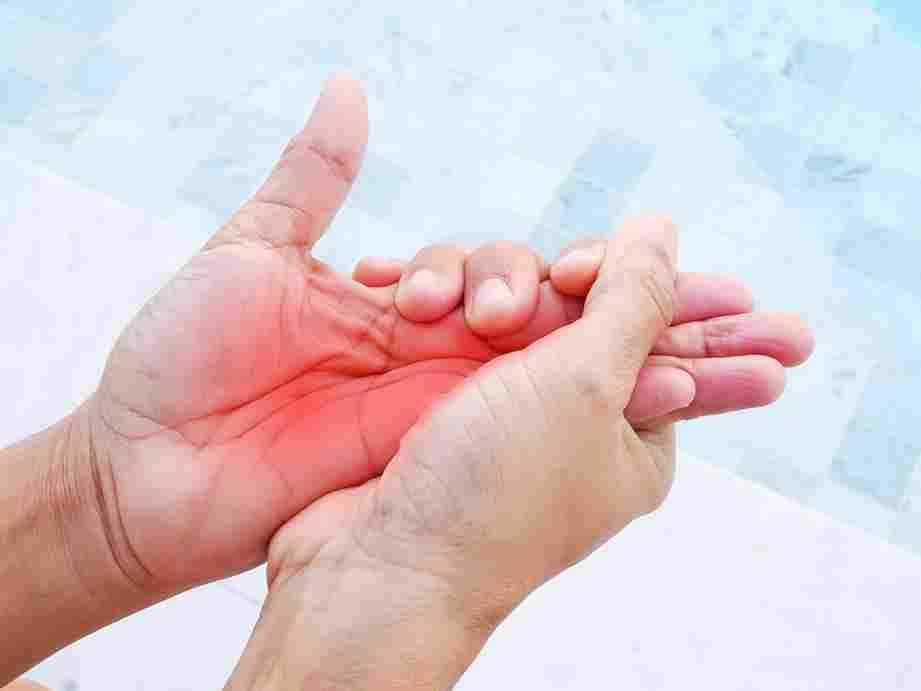
You know the textbook version of Raynaud phenomenon. Everyday life layers on a few more complexities. You could find yourself devoting more hours than you’d like planning around cold, wind, and stress because even minor things can trigger an attack related to this autoimmune disorder.You may begin to construct your day around heat to manage the condition. You realize that what you wear is not a minor consideration. Thin ‘fashion’ gloves cease to be any help once your fingers experience colour changes, going pale, then blue, then bright red and sore as circulation returns.Instead, you grab lined gloves, a hat, a scarf to cover your nose, thick socks, and maybe even hand warmers in your pockets. Inside, you drape a light jacket over your chair, reach for a warm mug instead of a cold glass, swap metal tools or cutlery for those with thick handles, and push your desk away from a drafty window to improve blood circulation.Cold weather and stress can feel like a one-two punch for those with Raynaud’s. Walking into a chilly store, gripping an iced drink, or standing at a bus stop can ignite the flames of discomfort. Stress does something similar in a more subtle fashion, affecting blood flow.A stressful meeting, a stressful deadline, or a stressful commute can make hands numb and stiff. Others like me discovered that while deep breathing, short walks, or meditation breaks don’t solve everything, they reduce the frequency and severity of episodes.The emotional side is hard to identify. Unpredictable attacks mean you may worry about simple plans: a winter trip, a long workday in air-conditioning, or a social event outdoors at night.That can create a slow-burning anxiety compounding the physical torment. Over time, many people find that steady habits help: warm layers, early use of gloves, avoiding nicotine, cutting back on caffeine, keeping stress tools ready, and treating each episode as data instead of a personal failure.
Navigating Daily Life And Management
Raynaud’s living — or how I schedule my day around temperature, stress, and blood flow. The objective is to reduce the frequency and severity of attacks when they occur.You reduce your hazard by keeping warm and calm. Dress in layers you can quickly throw on or take off. Concentrate on your hands, feet, ears, and nose by protecting them with insulated gloves, thick socks, and lined shoes.Make your home warm and stay away from air vents that blow cold air on you. Don’t go directly from a hot room to freezing air outside. Pass through cooler hallways or stairwells first whenever possible. Ditch bare hands for cold drinks and wear gloves for handling items in the fridge or freezer.Cut back on caffeine because it can constrict blood vessels. If you’re a smoker, stop because nicotine severely reduces blood flow and can exacerbate attacks.Daily habits construct a foundation of control. Exercise, even a brisk walk for 30 minutes most days, gets your heart pumping in an optimal way and can alleviate symptoms in the long run.A diet rich in fruits, vegetables, whole grains, and lean proteins supports your vessels and overall health. Brief, simple breathing drills or light yoga a few times a week can reduce stress, which frequently triggers attacks.I know a lot of people maintain a mini-notebook or app log of time, trigger, and how long color shifts endure. That record helps you and your doctor spot patterns and adjust your routine.Treatment depends on how severely Raynaud’s impacts your life. In less severe cases, lifestyle change alone can be sufficient. For more regular or painful attacks, doctors usually begin withcalcium channel blockerslike nifedipine to relax blood vessels and increase flow to fingers and toes.Other medications, such as topical nitroglycerin, can be applied to extremely impacted regions. In exceptional, severe cases with ulcers or tissue loss that do not heal, surgical options such as cutting certain nerves, known assympathectomy, or opening blood vessels may be considered, usually in specialist centers after careful consideration of risks and benefits. 
Conclusion
Raynaud’s can appear tiny externally. Cold fingers. Weird color changes. Momentary pain. For you, it can define each day.You’re now familiar with the tell-tale symptoms. You know usual culprits, such as cold air and stress. You’re aware of the divide between initial and subsequent. You got to witness how an actual day with Raynaud’s can unfold. From the initial shiver at your workstation to an outbreak in a checkout queue.You don’t have to fix it all at once. Take one small change that makes sense for your life to begin with. Toasty gear, a new stress ritual, or a listen-to-your-patient talk with your doc. Your next directing action can establish the remainder.Understanding Raynaud phenomenon symptoms and causes begins with how the body responds to cold temperatures. Exposure to cold can cause the blood vessels to narrow, a reaction called vasospasm. Raynaud phenomenon may occur in a primary or secondary form: the primary form develops on its own, while the secondary form is linked to another disease or condition, such as a rheumatic disease.
Frequently Asked Questions
What are the most common symptoms of Raynaud’s phenomenon?
Your fingers or toes may suddenly experience episodic skin color changes, turning white, then blue, and finally red. They can become cold, numb, or ‘dead’ due to poor blood flow. As blood circulation returns, you might feel throbbing, tingling, or burning sensations.
How long do Raynaud’s attacks usually last?
The majority of Raynaud phenomenon attacks can last from minutes to 30 minutes, with some episodes enduring longer. Typically, the symptom subsides when you warm yourself, engage in activity, or remove triggers like cold temperatures or stressful situations.
What triggers Raynaud’s symptoms to start?
Typical triggers of the Raynaud phenomenon include cold temperatures, sudden temperature changes, and emotional stress. Even holding a cold drink or getting very anxious can induce symptoms of this serious condition, leading to discomfort and colour changes in the extremities.
How can I tell if I have primary or secondary Raynaud’s?
Primary Raynaud’s, a common condition, tends to be milder and begins at a younger age. In contrast, Secondary Raynaud’s often starts later and may be linked to autoimmune disorders or connective tissue conditions. If you experience skin color changes, ulcers, or joint pain, consult your physician for testing.
Is Raynaud’s phenomenon dangerous?
Primary Raynaud’s is generally not serious, but it can impact your comfort and lifestyle due to poor blood flow. Secondary Raynaud’s, however, can be a more serious condition, leading to complications such as skin sores or infections. If you observe pain, sores, or persistent skin color changes, consult a physician.
When should you see a doctor about Raynaud’s symptoms?
You should see a doctor if attacks are frequent, very painful, or affect your daily life. It’s crucial to get checked urgently if you notice skin color changes, sores, or signs of infection on your fingers or toes, as these could indicate complications of Raynaud phenomenon. Early evaluation helps protect your circulation and tissues.
What can you do at home to manage Raynaud’s symptoms?
To manage Raynaud phenomenon effectively, dress warmly all over, not just your extremities. Wear layers, gloves, and warm socks. Avoid smoking and reduce stress. During an attack, exercise your fingers and toes, warming them gently while working with your doctor on treatment options.