Rheumatoid arthritis self-care refers to the actions you take each day to reduce pain, protect joints, and keep you active.
You concentrate on gentle range-of-motion work, short walks and rest cycles. You apply heat for stiffness and cold for flares.
You track medications, dose times and side effects with a straightforward log. You select shoes that have both firm support and soft insoles.
You plan meals containing lean protein, fibre and omega-3s. You collaborate with your care team to modify plans as symptoms change.
Key Takeaways
- Construct your own daily RA routine, balancing movement, nutrition, rest, and stress care. Begin with low-impact workouts, anti-inflammatory dining, and rest breaks.
- Act with intention to save joints and control inflammation. Opt for walking, swimming, or cycling and work with a physical therapist to customise your schedule.
- Eat for valuable joint protection: fruits, vegetables, whole grains, and omega-3s. Monitor symptom-causing foods and cut back on processed foods and added sugars.
- Back your brain to calm flares and pain sensitivity. Be mindful each day, control stress and reach out to the community when necessary.
- De-joint your life with an optimised environment. Utilise ergonomic tools and supportive shoes. Arrange life to avoid constant bending and reaching.
- Leverage technology and tracking to guide your decisions. Wearables and apps for activity, sleep, medications, and symptom logs share trends with your care team.
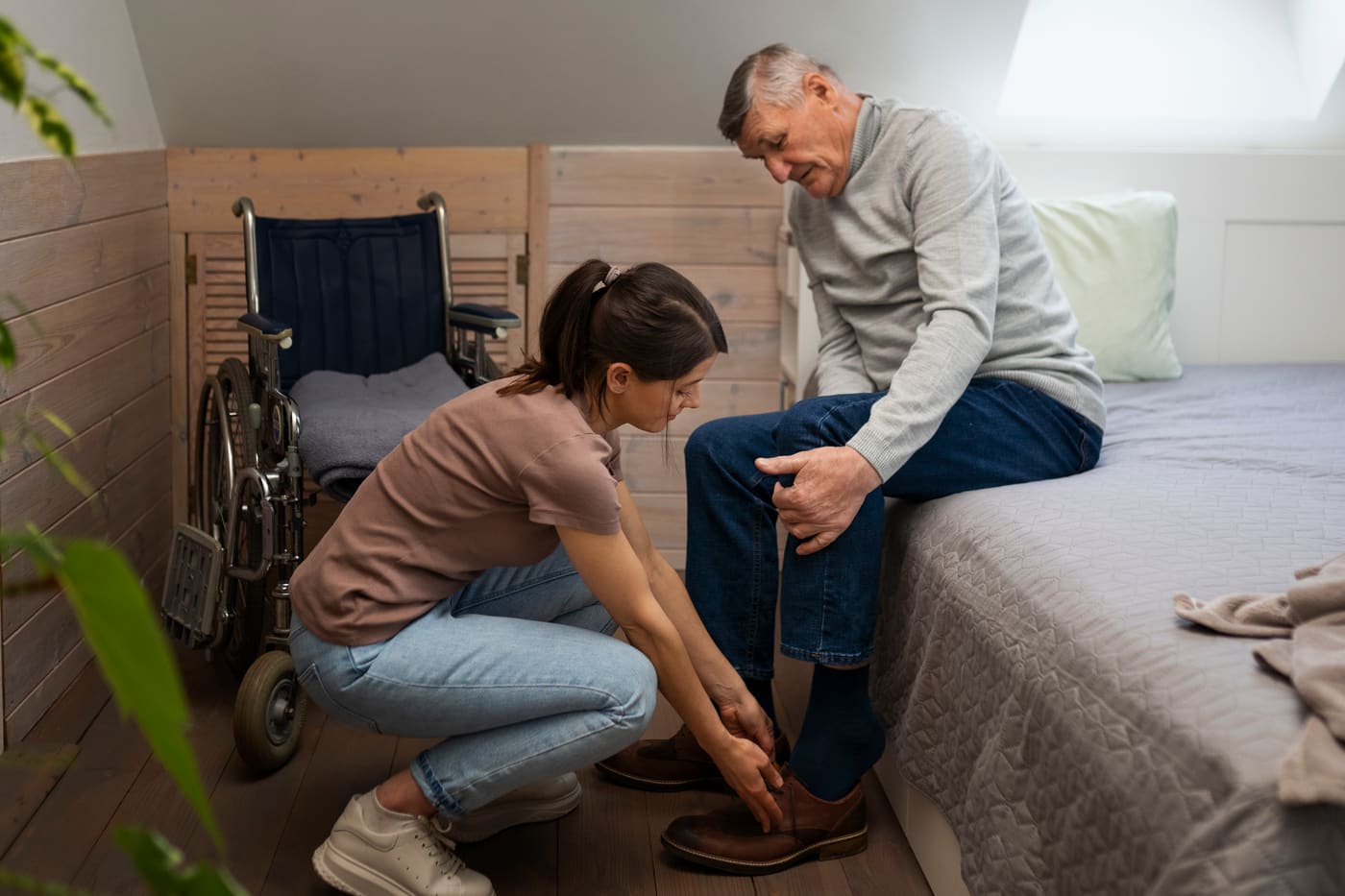

Your Personalised RA Self-Care Toolkit
Develop consistent habits that reduce pain, protect joints, and keep you mobile. Aim for:
- Daily routines include gentle morning range-of-motion exercises, paced chores, posture checks every hour, and an evening wind-down.
- A balanced plate includes vegetables, legumes, whole grains, fish, nuts, and olive oil.
- Smart tools include cushioned shoes, jar openers, light cookware, and wrist splints as needed.
- A plan includes scheduled rest, set activity blocks, and simple stress resets.
1. Movement
Choose low-impact work: brisk walks on flat paths, pool laps or water aerobics, or indoor cycling at low resistance. Warm up for 5 minutes and cool down with slow stretches. Sessions should last 20 to 30 minutes, 4 to 5 days per week, and include rest days.
Yoga or Pilates assist joint range, balance, and core strength. Choose rookies’ flows, props, and mini-holds. Ditch deep twists in flares.
Schedule a physical therapist for a joint-safe regimen. They can set load limits, instruct in pacing and gait, and adapt for wrists, knees, or feet.
2. Nutrition
Think plants, fiber, and omega-3s. Consume berries, leafy greens, tomatoes, lentils, oats, walnuts, flaxseed, and fatty fish such as salmon or sardines two to three times per week. Drizzle olive oil. Target steady meals.
Reduce ultra-processed foods, fries, cured meats, and sugary drinks. Be wary of labels that have added sugars.
Add antioxidant sources: citrus, peppers, turmeric with black pepper, and green tea. Think about vitamin D and calcium if intake is low, and verify doses with your clinician.
Monitor feedings and signs. Watch for triggers such as too much alcohol or white flour. Customize to your budget and culture.
3. Mind
Do 5 to 10 minutes of breath work or a body scan each day to reduce stress. Use mindfulness during pain spikes: name sensations, soften muscles, and recheck posture.
Maintain calming hobbies such as reading, easy crafts, and music. Keep an eye on your mood on a weekly basis and get counseling if your sleep, appetite, or outlook changes.
4. Rest
Maintain a consistent sleep schedule, targeting 7 to 9 hours per night. Take 5 minute breaks every 60 to 90 minutes to save joints.
Use lumbar support, wrist pillows, or knee cushions. In flares, trim tasks and extend rest blocks.
5. Environment
Stage tools to cut strain: jar openers, reachers, low stools for kitchen tasks. Choose ergonomic chairs, split keyboards, and thick-handled utensils.
Keep everyday items at hip-to-chest height. Make walkways clear, add non-slip mats, and good light.
The Mind-Body Connection
You experience RA in body and mind. Stress, mood, and sleep can alter pain, fatigue, and even disease activity. There is evidence connecting stress and anxiety with more potent pain signals, while mindfulness, yoga, and other mind-body tools can calm the nervous system and promote lower inflammation.
Simple, everyday steps can harmonize mind and body care.
Stress And Flares
Map your stressors. Common ones include deadline pressure, conflict, poor sleep, illness, travel, and missed medications. Track what triggers tension in your neck, jaw, or gut. These can forewarn a flare.
Use brief tools that fit your day: Breathing for four seconds while inhaling and six seconds while exhaling for three minutes, progressive muscle relaxation from feet to face, or guided imagery with a calm place. Brief sessions do the trick.
Trace patterns in a basic log. Match events with symptoms, medications, sleep hours, and pain scores ranging from zero to ten. After four to six weeks, seek out the connections and schedule buffers around identified high-stress periods.
Be patient with yourself during spikes. Lighten your load, establish micro-objectives, and exchange the high-impact tasks for nurturing. Self-kindness decreases the secondary stress that can increase pain.
Mindful Practices
Daily mindfulness hones attention, reduces stress and can literally turn down pain signals. Studies show mindfulness meditation reduces stress and could alleviate mental and physical tension.
Experiment with 10 minutes using a guided app or free online body scan. Regularity trumps duration.
Keep a brief gratitude note: three small wins, one line each. It redirects focus from ache cycles.
Build a pre-sleep wind-down: dim lights, light stretch or Tai Chi forms, no screens for 30 minutes. Others connect yoga and meditation to anti-inflammatory effects.
Tai Chi has demonstrated improvements in balance, flexibility, and cardiovascular health in arthritis.
Emotional Wellbeing
Identify hurt without guilt. There’s grief and anger in long-term illness. It is common.
Join a support group, local or online, for pragmatics and peer pacing. Shared language breaks isolation.
Pick acts that build esteem: a short walk, a cooked meal, or learning a new Tai Chi move. Small wins pile up.
Watch for depression signs: low mood most days, sleep shifts, loss of joy, or thoughts of self-harm. Get care early.
Mind-body work can help, and some studies note less arthritis pain and improved function, but the mind-body connection is complicated and remains the subject of research. Others say just breath work provides genuine tranquility. 
Adapting To Your RA
You handle symptoms as they come. Your schedule needs to adjust as much as your pain, swelling, and energy. Strive to conserve joints, conserve energy, and maintain your schedule.
About adapting to your RA, schedule high-energy tasks for the morning, rest, and pace yourself to avoid flares. Innovate with tools and small adaptations, such as an ergonomic chair, jar openers, labeled walkers, and others, to remain safe and independent.
Flare Days
- Stick to your flare plan. Cut down tasks, put off non-essentials, and request assistance.
- Apply heat for stiffness (warm pack or shower, 10 to 15 minutes) and cold to hot, swollen joints (wrapped ice pack, 10 minutes).
- Take medications for flares as prescribed. Coordinate timing with your clinician.
- Prepare a kit: pain reliever, splints, compression gloves, Heat And Cold packs, easy snacks, water, phone charger, and key contacts.
- Snooze in brief spells during the day. Use a soft range of motion alone.
- Reduce joint load: voice-to-text, slip-on shoes, light cookware, and prepped meals.
Good Days
With reduced symptoms, get out and do what you love. Hang out with friends, hit up a park, and make a killer meal. Manage stress with short walks, meditation, or slow breathing of four to six breaths per minute.
Accumulate with caution. Introduce activity little by little. Start with 10 to 15 minutes of gentle exercise, such as walking, biking, or swimming.
Then test joints later that day and the next morning for swelling or stabbing pain. Batch errands when energy is higher. Do hard stuff early and light stuff after lunch.
Take breaks every 60 to 90 minutes so you don’t overdo it, even if you feel strong. Mark wins, such as bonus steps, easier grip, or quicker dressing time.
Tracking Symptoms
Keep a simple daily log: morning stiffness time, joint pain (0 to 10), swelling spots, and fatigue. Record sleep duration and quality. Short notes are better than no notes.
Just like you can map out your symptoms and actions in an app or on paper. Note food, stress, weather changes, new shoes, extended computer sessions or travel.
These rhythms inform decisions. Provide your data to your care team to fine tune medications, plan rest cycles, and establish safe activity goals. About: Tailoring to your RA.
Leveraging Modern Tools
You can take advantage of tech to monitor symptoms, schedule habits, and keep up with care. Tools aren’t a salve, but they allow you to intervene early and make data driven decisions.
Wearable Technology
Fitness trackers assist you in pacing steps, heart rate, and active minutes so that you maintain consistent motion without over-exerting joints. Motivate small goals like easy walks or rides and observe trends across days, not just a single workout.
Sleep tracking displays total hours, time awake, and sleep stages. Bad sleep increases pain and fatigue, so tweak bedtime, screen exposure, and caffeine according to what your data shows.
Leverage modern tools. Use vibration alerts for medications, stretches, or 250-meter water breaks. Keep these alerts spaced, short, and connected to your daily routine.
Use weekly graphs to identify correlations between step count, HRV, and flare days. When you feel a dip before the pain of ascension, come in out of the cold.
Digital Apps
Record pain scores, stiff joints, morning length, medications, and triggers. A diary from a nine-module web self-management study helped them spot patterns in pain and fatigue, and you can do the same with mobile logs.
Use a nutrition app to plan meals, emphasizing whole grains, legumes, fish, nuts, and diverse fruits and vegetables. Mark foods that appear to aggravate symptoms.
Use joint-friendly routines, such as range-of-motion, isometrics, and low-impact strength. Short guided sets lasting five to ten minutes decrease the threshold to act.
Set reminders for refills, doses, and visits. SMS check-ins can track disease activity and adherence. Phone-based education has improved adherence in RA.
VR nature scenes reduced subjective pain by roughly 60% during sessions in chronic pain studies. Consider short VR breaks on those bad days.
Online Communities
Get involved with moderated RA forums or large groups to swap advice and approved links. Seek out explicit community guidelines.
Expert webinars and Q&A teach new pacing and flare plans. Gamified platforms add points or streaks, which some patients find useful habit-building tools.
Tell us what worked for you and what did not. Keep an eye on reliable drug updates, E-Health reviews from 2014 to 2019, and mixed but hopeful online interventions.
Tech really holds promise, so keep your eye open. 
Beyond The Basics
You can customize self-care to reduce pain, safeguard joints, and stay ahead of life. Combine focused treatments, mindful stress management, intelligent technology, and consistent habits. Stick with what works, try new things, and check in frequently with your care team.
Heat And Cold
- Heat methods: warm shower for 10 to 15 minutes, moist heating pad, paraffin bath for hands, warmed rice pack. Benefits: eases stiffness, boosts blood flow, and readies joints for movement.
- Cold methods: gel pack wrapped in cloth for 10 to 15 minutes, ice massage, cold bath for fingers. Benefits: calms swelling, numbs sharp pain, tames flares.
- Alternate: Heat before activity to loosen. Cold after to curb inflammation.
| Type | Heat/Cold | Best For | Main Advantage | | — | — | — | — | | Warm Shower | Heat | Morning Stiffness | Loosens Entire Body | | Paraffin Dip | Heat | Hand Joints | Deep, Even Warmth | | Gel Ice Pack | Cold | Flares, Acute Pain | Numbs, Shrinks Swelling | | Contrast (hot-cold) | Both | Post-Activity | Balanced Relief |
Joint Protection
Splints or braces help steady wrists, thumbs, or ankles during flares or tasks that load joints. Fit should be snug, not tight, and under the direction of a therapist if available.
Practice body mechanics: keep loads close, hinge at hips and knees, use two hands, and slide items instead of lifting. Opt for lightweight tools with wide handles, include foam packaging around cutlery, and utilize electric can openers and jar grippers.
Switch up the work. Divide chores into 20 to 30 minute blocks. On the good days, go easy on yourself, or you will get hit with tomorrow’s payback. Mindful movement such as tai chi, yoga, or Pilates develops balance and range without abrasive load.
Achieve a healthy weight to relieve joint pressure and maximize the impact of biologics and biosimilars. Utilize short, brisk walks or water exercise and combine with consistent sleep and scheduled rest.
Assistive Aids
- Kitchen: electric opener, kettle with base, light pans, high stool.
- Bath: grab bars, non-slip mat, hand-held shower, raised seat.
- Bedroom: wedge pillow, reacher, bedside caddy.
- Living room: seat cushions, lumbar roll, lever door handles.
- Work area: split keyboard, vertical mouse, forearm supports.
Choose shoes with a firm heel counter, rocker sole and cushioned midsole and add shock-absorbing insoles. Use seat cushions to offload hips and spine. Put grab bars at a height of 80 to 90 cm, so that you can get a good grip.
Think ahead on meals, batch-cook and consider splitting things over days. Stress reducers include mindfulness or slow breathing to cut stress. Ten minutes of daily meditation helps. Plan your breaks, time yourself and rest before exhaustion settles in.
When To Seek Help
You handle a lot yourself, but sometimes asking for help preserves your joints, your work, and your life. Use the cues below to get ahead and avoid chronic recurrence.
Recognize Warning Signs Such As Persistent Swelling, Severe Pain, Or Sudden Joint Changes
Trouble sleeping due to pain, curly toes, and/or a non-walking limp may signal the need for additional treatment. Call if you observe a rapid decline in grip strength, fingers drifting, knees giving way, or a flare that precludes fundamental tasks such as dressing or walking 100 to 200 meters.
If symptoms remain improved for a minimum of 1 year steroid free, have your clinician reassess treatment and taper plans.
Monitor For Medication Side Effects Like Skin Thinning Or Unusual Fatigue
Report any bruising or skin tears, mouth sores, yellow eyes, chest tightness, fevers, or a cough that will not pass. Start to mention new brain fog, dizziness, or a significant fall in energy that hampers a normal day.
Maintain a list of all medications and dosages. If you don’t get free prescriptions, a prescription prepayment certificate can reduce expenses when you require multiple items on a monthly basis.
Seek Timely Intervention If You Experience Loss Of Function Or New Disabilities
Seek help if pain, stiffness, or joint damage slow cooking, child care, or self-care, or if work tasks take longer. Request referrals for physical and occupational therapy for joint sparing skills, pain plans, and goal setting.
Tai chi, when guided by an experienced instructor, is safe and can improve mood and quality of life during recovery.
Update Your Healthcare Team Regularly On Changes In Symptoms Or Treatment Effectiveness
Share flare patterns, morning stiffness times, step counts, and side effects every visit. Inform them if RA impacts work.
You might be eligible for SSP, ESA, or PIP, and other support if you have kids at home or limited income. Whenever you have a flare-up, get some help because it is random and it can throw your daily life out of whack. 
Conclusion
You have concrete next steps. Little moves add up. A brief stroll following lunch. A 10-minute stretch before sleeping. A warm shower to loosen those stiff joints. Trade one high-salt snack for fruit or nuts. Monitor pain, flares, and sleep in a single app. Share that log with your care team. Modify meds with transparent data, not guesswork.
To build support, enlist a friend for walks. Connect with a peer group online. One goal a week! Aim for clear wins: fewer flares, better sleep, more steps, and more grip strength. Keep gear simple: soft braces, heat packs, and comfy shoes.
You navigate this schedule. Your body gives the signals. Your squad has your back. Choose one action for today and share your intention with a confidant.
Frequently Asked Questions
What daily self-care steps help manage rheumatoid arthritis pain?
Begin with soft range-of-motion movements. Apply heat to combat stiffness and cold to reduce swelling. Take breaks. Pace activities and take short rests. Of course, make sleep a priority. Maintain balanced anti-inflammatory meals. On the autoimmune front, keep a journal to monitor symptom flares and identify potential triggers. These actions help to minimize flares and preserve your joints.
How does stress affect my RA symptoms?
Stress can set off flares and amplify pain. It interrupts sleep and recuperation. Utilize breathing, mini-meditations, and mindful movement such as yoga or tai chi. It takes only 10 to 15 minutes a day to reduce your stress and enhance your pain management.
What kind of exercise is safe for RA?
Choose low-impact options: walking, cycling, swimming, and water aerobics. Supplement with gentle strength training two to three times a week to bolster joints. Stretch every day. Skip high-impact moves during flares. If pain persists beyond twenty-four hours of exertion, cut back.
How can I adapt my home and work to protect my joints?
Utilize joint-friendly gadgets, such as jar openers and ergonomic keyboards. Sit with a neutral posture and support your wrists. Dismantle tasks. Utilize carts to transport loads. Keep items you use all the time within easy reach.
Which digital tools can support my RA self-care?
Leverage symptom-tracking apps, medication reminders, and wearables. Telehealth visits make it easy to quickly adjust treatment. Photologs of swelling and a pain journal direct your care team. Provide information to customize your plan.
When should I call my doctor about worsening symptoms?
Call your doctor if you have a new, hot swollen joint, a flare of more than 48 hours duration, fever, or medication side effects. Go to urgent care for severe pain, chest pain, shortness of breath, or infection.
Are supplements or diets helpful for RA?
Some get a boost from omega-3s and vitamin D if they’re deficient. Follow an anti-inflammatory eating plan rich in vegetables, fruits, legumes, whole grains, and lean proteins. Avoid ultra-processed foods. You should always speak to your rheumatologist about supplements so you don’t have any interactions.