What are the four stages of osteoarthritis?
Stage 1 (minor), Stage 2 (mild), Stage 3 (moderate), and Stage 4 (severe).
You observe slow cartilage erosion, minor spurs, followed by joint space narrowing, followed later by obvious pain, stiffness, and limited range of motion.
In Stage 4, cartilage is almost completely gone, bones rub together, and even simple tasks feel difficult.
You benefit from early treatment such as weight management, strengthening exercises, pain regimens, and joint protection.
The guide below separates each stage with symptoms and treatments.
Key Takeaways
- Osteoarthritis is a degenerative joint disease that leads to pain, stiffness, inflammation, and limited movement, primarily in the knees, hips, hands, and spine. You decrease your risk by controlling weight, avoiding injuries, and minimising repetitive joint stresses.
- You transition through four stages from mild to severe as cartilage loss intensifies and symptoms exacerbate. Knowing your stage allows you to customise your care and modify lifestyle changes, therapies, and treatments accordingly.
- You can intervene early in Stage One and Two with low-impact exercise, stretching, and weight management to slow progression. You can observe symptoms post-activity and inquire with your clinician about imaging if pain or stiffness lingers.
- You can address Stage Three through the use of structured physical therapy, activity modification, supports or braces, and recommended over-the-counter pain relievers. High-impact activities should be avoided to protect the remaining cartilage.
- You can handle Stage Four with prescription pain management and consider surgical options like joint replacement or realignment when daily function is compromised. You benefit from a multidisciplinary plan that involves pre- and post-procedure rehab.
- You promote whole-body health by being active within comfort, eating a balanced diet, and addressing mental well-being. You can partner with your health care team to keep tabs on heart health and metabolic risks while following joint changes over time.
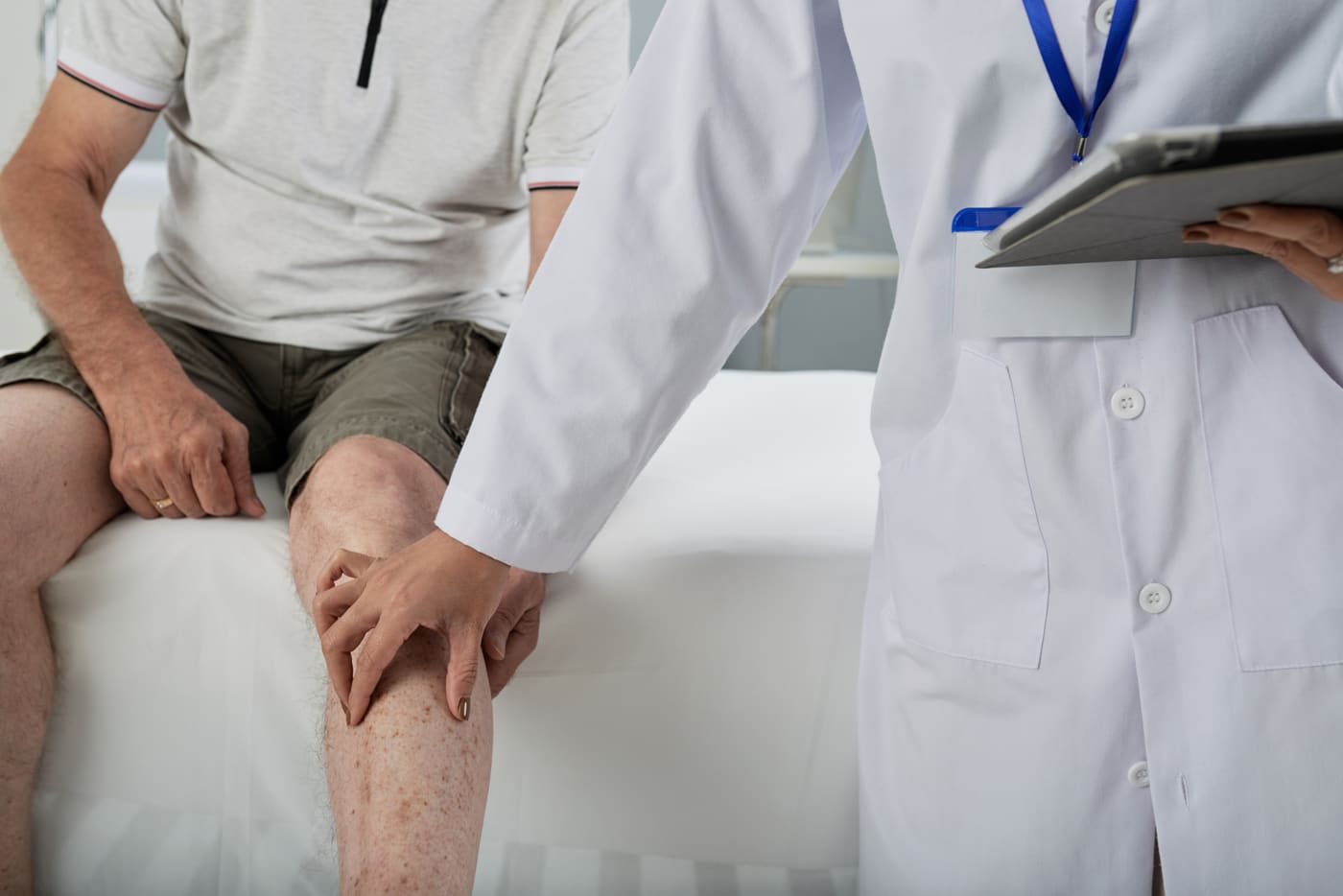

Understanding Osteoarthritis
Osteoarthritis occurs when the slick cartilage protecting your joint ends begins to wear off, and the joint lining becomes inflamed. This ongoing process alters the function and sensation of your joint, and it will never spontaneously regress.
Osteoarthritis impacts the knees, hips, hands, and spine the most. You’ll experience pain with use, early-morning stiffness that dissipates after you move, and swelling after a long day. Others hear crepitus—grinding, crunching—when they bend a knee or open a jar.
Grip activities, squats, and stair climbs begin to feel slow and stiff. In the hips, you may have groin pain when you walk more than 500 to 800 meters. In your spine, you might experience a dull ache after sitting.
It gets worse. Symptoms commonly accumulate over years, and OA can remain silent until there is already evident cartilage degradation. At first, pain is intermittent. Afterwards, you can have a constant ache, night pain, and decreased range of motion.
Routine activities, such as walking to the bus stop, climbing stairs, and kneeling to tie your shoe, become calculated endeavours. Risk increases with age, frequently beginning in the late 40s and increasing in older adults. A family history increases risk, as does genetic inheritance, influencing cartilage quality and bone structure.
Additional body mass adds load to knees and hips. Each extra kilogram can add several kilograms of force across the joint with every step. Previous joint injury, such as an ACL tear or a wrist fracture, can trigger premature wear. Repetitive stress from work or sport and joint diseases can accelerate the process.
Clinically, OA is categorised into four progressive stages, from Stage 0 (no signs) to Stage 3 (advanced with marked cartilage loss). Your path might not be identical to another’s. Some remain mild for years, while others experience rapid progression.
Some early checks, defined goals, and consistent management keep you mobile.
The Four Stages Of Osteoarthritis
You progress through four stages: minor, mild, moderate, and severe, as cartilage erodes, pain increases, and function decreases. Understanding your stage guides you in selecting appropriate care, goal-setting, and planning joint-protective daily modifications.
| Stage | Symptoms | Cartilage/Bone Changes | Treatment Focus |
|---|---|---|---|
| Minor (Stage 1) | Little to no pain; rare stiffness; crepitus may appear | Cartilage mostly intact; normal joint space; tiny or no bone spurs | Healthy weight, low‑impact exercise, form checks, monitoring |
Mild (Stage 2): Occasional pain and stiffness after rest or use. Early wear, small spurs, and the joint is still aligned. Low-impact cardio, stretching, weight control, and early imaging.
| Moderate (Stage 3) | Frequent pain, swelling, reduced range, more crepitus | Noticeable cartilage loss, larger spurs, synovial fluid still aids | Bracing, PT, activity modifications, OTC pain meds |
| Severe (Stage 4) | Persistent ache, intense pain, reduced range of motion | Significant loss, large spurs, joint erosion, lower fluid | Injections, Rx meds, surgery consideration, canes, braces |
1. Stage One: Minor
You can have early wear with an excellent cartilage cover and no real pain. There is no joint space narrowing on imaging, and there are minimal or no bone spurs.
Keep moving with walking, cycling, or swimming. Maintain a healthy weight to reduce joint load.
Be alert for short-lived aches following extended inactivity or a hard workout, and observe crepitus without pain.
Risk factors such as age, prior injury, or obesity can accelerate change, so monitor symptoms over months, not days.
2. Stage Two: Mild
Cartilage exhibits mild wear, and small osteophytes begin to develop. You could experience stiffness upon rising or with extended use.
Incorporate low-impact exercise, easy strength training, and regular stretching. Maintain a healthy weight to reduce wear.
Early changes are often seen on imaging, which helps you begin treatment earlier.
3. Stage Three: Moderate
At this stage, cartilage loss is severe, pain is common, swelling emerges, and range of motion decreases. Spurs grow and raise friction, and synovial fluid still keeps bones on bone.
Braces for load relief, physical therapy for strength and gait, and over-the-counter pain relievers as needed.
Adapt activities by staying away from high-impact moves, minimising deep knee bends, separating heavy tasks, and utilising pacing.
4. Stage Four: Severe
No cartilage is left, with large spur growths and significant joint damage. You encounter persistent aches, intense pain, and significant restrictions with stairs or extended walks due to low synovial fluid and cushioning.
Doctors and physical therapists might try to tell you how to mitigate or supplement your arthritis, but they have no idea.
Severe cases require joint replacement or bone realignment. Imaging verifies the extent. Symptoms differ, but pain, stiffness, swelling, and grinding are typical across stages. 
How Doctors Diagnose Osteoarthritis
Diagnosis mixes your symptom history, a physical exam, and imaging. They test you for pain, stiffness, and range of motion, then assign you to a severity scale that ranges from grade 0 to grade 4, corresponding to the four stages, mild to severe.
Patient checklist:
- Keep track of when the pain appears, for example, following a long walk or run.
- Note stiffness after sitting for a few hours.
- Record swelling, warmth, or clicks.
- Record joints that are tender when you kneel or bend.
- Capture what eases pain and what makes it worse.
- Bring prior scans, labs, and medication list.
Physical Examination
Your physician checks tender points, swelling, warmth, and crepitus. They examine range of motion and pain on movement to identify which joints are affected and how much stiffness impedes everyday activities.
They check for alignment or deformity, such as knee varus or valgus. They examine joint stability and muscle strength around the knee or hip, as weak quads or glutes can increase joint load.
These findings are recorded in clear terms (e.g., flexion 110 degrees, mild effusion) so that changes across visits demonstrate if you’re progressing from early to advanced stage.
Imaging Tests
X-rays are first-line. They demonstrate joint space narrowing suggestive of cartilage loss as well as bone spurs and sclerosis, particularly in knee osteoarthritis. Grade 0 is a normal joint without OA. Higher grades indicate greater damage.
MRI provides information on cartilage, menisci, ligaments, synovium, and bone marrow lesions. It catches early damage, often in stage 2, when X-rays look almost normal. Imaging helps exclude fracture, avascular necrosis, or inflammatory arthritis.
Compare old and new images to track progression and determine if treatment is effective.
Laboratory Tests
Labs don’t “prove” osteoarthritis; they rule out look-alikes. Blood tests can rule out rheumatoid arthritis, gout, infection, or thyroid problems that exacerbate joint pain.
Synovial fluid analysis looks for crystals or infection when a joint is hot, red, or very swollen.
Combine labs with exam and imaging for a definitive diagnosis.
Managing Osteoarthritis Progression
You need a plan constructed around your stage, your objectives, and your lifestyle. These plans help you reduce pain, maintain your range of motion, and slow cartilage degeneration.
Mix lifestyle, physical therapy, and focused medical treatment, and recalibrate as your arthritis evolves.
- Stage 1: Education, weight control, low-impact exercise, joint-friendly tasks, and optional OTC pain relievers as needed.
- Stage 2: Structured physical therapy, braces or supports, NSAIDs, activity modifications, and injections when pain rises.
- Stage 3: Multidisciplinary rehab, image-guided injections (corticosteroid or hyaluronic acid), offloading braces, weight loss, and consider surgical review.
- Stage 4: Pain control, mobility aids, and surgery planning if function and pain limit life.
Lifestyle Adjustments
A nutritious diet and a stable, moderate weight reduce the load on your knees and hips. Additional body weight increases the risk of osteoarthritis, particularly in the knee.
Shedding pounds is important at any point. Do low-impact work most days: brisk walks, cycling, and pool laps. Short bouts accumulate. If a move causes a pain spike that night or the following day, back it off.
Stay away from high-impact aerobics, deep squats with heavy loads, and extended periods of kneeling. Trade stairs for a lift when flares strike. Address bow legs or bad feet with shoes and orthotics to relieve stress on joints.
- 150–300 minutes/week of low-impact cardio
- 2–3 strength sessions/week for hips, quads, glutes, core
- Daily range-of-motion exercises, short stretch post-warm-up.
- Protein-rich, plant-forward diet; manage total kilojoules
- Pacing and rest breaks during long tasks
Physical Therapies
Physical therapy builds strength and flexibility, which helps you maintain movement and reduces stiffness that can impede daily activities. Therapists customise strategies by joint and stage.
Manage osteoarthritis progression by using braces, sleeves, or taping to offload painful zones, particularly with kneecap or inner-knee pain.
Establish a regimen of closed-chain strength, balance exercises, and joint-friendly cardio. Occupational therapy provides task hacks and tool tweaks to shield joints and maintain independence at work and at home.
Medical Treatments
OTC options: Acetaminophen, ibuprofen, and other NSAIDs can help on flare days. For early disease, prevention can suffice, and medicine may be light.
When pain persists, prescriptions and cortisone shots tamp down inflammation. Hyaluronic acid injections can lubricate a moderately symptomatic knee. A few stage 2 to 3 procedures are designed to block blood flow to the knee lining to reduce inflammation.
Supplements such as glucosamine and chondroitin can sometimes aid cartilage.
Surgical Options
| Procedure | Best for | What it does | Notes |
|---|---|---|---|
| Total/partial joint replacement | Stage 4 with constant pain, major damage | Replaces worn surfaces | Strong pain relief, long rehab |
| Osteotomy (bone realignment) | Unicompartment knee OA, malalignment | Shifts the load from the damaged area | Suits active younger adults |
| Autologous chondrocyte implantation (ACI) | Focal cartilage defects | Grows and implants new cells | Select cases, not diffuse OA |

Beyond The Joints: Systemic Impact
Osteoarthritis is a disease of the whole joint—cartilage, bone, synovium, ligaments, and muscles. You feel it in daily life: pain at rest, fatigue, and limits in function. That burden is extensive, affecting nearly one-fourth of American adults and increasing with age. The tailspin encompasses immobility, expensive nursing, and true punches to quality of life.
Mental Health
Beyond the joints, chronic pain and diminished movement can drive you into anxiety, depression, and isolation. When walking hurts or stairs feel unsafe, we tend to cancel plans, which adds to stress.
Bake mental health into your care plan. Counselling, pain-focused CBT, and local or online support groups can steady you during flares and setbacks. Inform your doctor about how pain interrupts your sleep, mood, and work. This informs treatment decisions, from drugs to pacing.
Stay engaged where you can: gentle classes, brief social visits, or hobbies that fit your energy. Even brief activity bursts boost mood when pain lingers.
Cardiovascular Health
Sedentary time increases as joints stiffen, which increases your risk for heart disease. Inactivity and low-grade inflammation accumulate.
Use low-impact exercise to protect your heart and weight: brisk walking on even ground, cycling, pool work, or elliptical training, 150 minutes per week in short, tolerable blocks. Monitor blood pressure and lipids, and add an annual risk review.
Collaborate with your provider or a physical therapist to establish a safe plan within joint boundaries, and adjust during flares rather than ceasing altogether. Joint replacement, when needed, has an over 80% success rate and frequently restores safe activity.
Metabolic Changes
Restricted motion can fuel fat gain, insulin resistance, and metabolic syndrome. This loop overloads joints, intensifies pain, and restricts your choices.
Aim for a balanced, anti-inflammatory pattern: vegetables, legumes, whole grains, lean protein, nuts, seeds, and unsweetened dairy. Limit added sugars and ultra-processed foods.
Break up sitting every 30 to 60 minutes with short walks or gentle range of motion sets. Physical therapy and intentional strength work maintain muscle, stabilise joints, and stabilise glucose control.
Canes or walkers can increase your reach and maintain independence. In 2011, osteoarthritis was behind almost 1 million hospital stays and around 15 billion dollars in costs, evidence that the implications extend well past joints.
Proactive Joint Health
You can still slow osteoarthritis at any stage by taking early action and maintaining consistent habits that safeguard cartilage, preserve joint space, and reduce inflammation.
- Move most days with low-impact work: brisk walks, cycling, swimming, or yoga. Strive for 150 minutes a week. Add light strength work for two to three days to support knees and hips.
- Maintain a healthy weight. Even a 5 to 10 per cent loss can reduce joint load, particularly the knees.
- Eat for joints: Fish rich in omega-3, olive oil, nuts, beans, whole grains, and colourful produce high in antioxidants.
- Stay hydrated by drinking sufficient water to maintain pale urine. Synovial fluid adores water.
- Manage flares: Take short rests, use ice or heat, and use over-the-counter pain relievers as directed.
- Lower stress with meditation or deep breathing. Stress can amplify pain connections.
- Schedule regular check-ups. Early flags equal earlier care and less damage.
- Monitor symptoms and triggers so you can optimise training loads quickly.
Early Intervention
Take action at the first sign of morning stiffness, minor swelling, or pain post-run or after a long stand. Don’t wait for daily pain.
Schedule a physical exam and maybe imaging to evaluate joint space and alignment, and rule out other causes. Inquire about gait or footwear modifications if your knees or hips are the primary concern.
Begin low-impact exercise immediately. Exchange high-impact jumps for cycling or pool work. Maintain range-of-motion exercises, then supplement with basic strength exercises such as sit-to-stands, step-ups, and band walks.
Combine that with diet changes for weight management and improved nutrition. With proactive care, you can decelerate and, in some cases, stop structural degeneration.
Long-Term Outlook
Osteoarthritis, while progressive, is treatable. Your road varies according to stage, joint load, and compliance with management.
Set goals you can measure: walking 3 km without a flare, climbing stairs with less pain, or riding a bike for 30 minutes. Check these off monthly.
Collaborate with your clinician to adjust plans, including exercise dose, weight goals, braces or medications, as your joints evolve.
Be active, be educated, and maintain a simple and consistent routine. 
Conclusion
You’re now familiar with the four stages, how the symptoms manifest, and what measures assist in reducing the friction. Little steps add up quickly. Brief walks that total 150 minutes per week. Strength work, two times a week. Weight goals with specific targets, such as a 5 to 10 per cent decrease if you require it. Heat for morning stiff joints. Ice for night flares. Firm heel-cupped shoes. Basic supports, such as knee sleeves or a cane on the good side.
Monitor pain levels, activity, and sleep. Bring those notes to checkups. Inquire about medications by dose and timing, not just names. Insist on a plan with goals and dates. Get our joint check guide and schedule your initial 4-week plan today.
Frequently Asked Questions
What are the four stages of osteoarthritis?
The stages are: 1) Minor cartilage wear, 2) Mild damage with small bone spurs, 3) Moderate cartilage loss with pain and stiffness, 4) Severe cartilage loss with joint space narrowing and frequent pain. Prompt care can delay advancement.
How do you know what stage of osteoarthritis you’re in?
Your physician evaluates symptoms, physical examination, and imaging. X-rays demonstrate the joint space and bone spurs. Cartilage loss can be seen on MRI. Your function on a day-to-day basis and your pain are guiding stages.
Can you slow the progression of osteoarthritis?
Keep your weight in check, build muscle, remain active with low-impact workouts, make joint-smart moves, and stick to your treatment plan. Early care and consistency guard your joints.
What tests do doctors use to diagnose osteoarthritis?
Physicians combine your medical history, a physical exam, and imaging (X-ray, sometimes MRI). They might order blood work to eliminate other conditions. Joint fluid analysis can rule out infection or gout.
Does osteoarthritis affect more than your joints?
Yes. Chronic pain can interfere with sleep, mood, and activity. Immobility could impact cardiovascular and metabolic health. Pain management, activity, and inflammation treatment promote general well-being.
When should you see a doctor for joint pain?
Visit a physician if pain persists beyond a few weeks, restricts regular activities, results in swelling or stiffness, or disrupts sleep. Early treatment means a better outcome.
What daily habits help protect your joints?
Target consistent low-impact exercise, muscle strengthening, and flexibility work. Maintain good posture, wear supportive shoes, and use joint-friendly utensils. Maintain a healthy diet and weight. Consistency is what counts.