Gout is an inflammatory arthritis that leads to episodes of excruciating pain, swelling, and warmth in joints, typically the big toe. You experience flares when uric acid crystallizes in joints and surrounding tissue.
These triggers can include high-purine foods, alcohol, dehydration, and certain drugs. Risk increases with family history, kidney problems, and metabolic syndrome.
You can reduce flares with diet, consistent hydration, weight management, and effective medications. Next, you receive actionable steps, food lists, and treatment choices.
Key Takeaways
- You can identify a gout attack through sudden severe joint pain, swelling, redness, and heat that often begins overnight and reaches its peak within 12 to 24 hours. The big toe is most common, but your ankle, knee, or other joints can be involved.
- You handle acute flares by taking NSAIDs, colchicine or corticosteroids as prescribed, resting and raising the joint, icing for 15 to 20 minutes, and abstaining from alcohol and high-purine foods. Take immediate action to minimize pain and avoid complications.
- You can reduce uric acid in the long term with prescribed medications including allopurinol or probenecid, frequent follow-ups, and goals established by your clinician. Don’t quit medicines cold turkey.
- You mitigate risk through adequate hydration, healthy body weight, exercise, and limiting high-purine foods, beer, and fructose-sweetened beverages. Select low-fat dairy, vegetables, whole grains, cherries, and vitamin C foods.
- You can get ready for diagnosis by monitoring symptoms, locations, duration and triggers, listing drugs and supplements, and sharing your medical and family history. Joint fluid analysis confirming urate crystals gives a definitive diagnosis.
- You safeguard long-term health by screening for tophi, kidney stones, and heart risks and maintaining a symptom journal to identify trends. Early and ongoing treatment prevents joint damage and chronic gout.
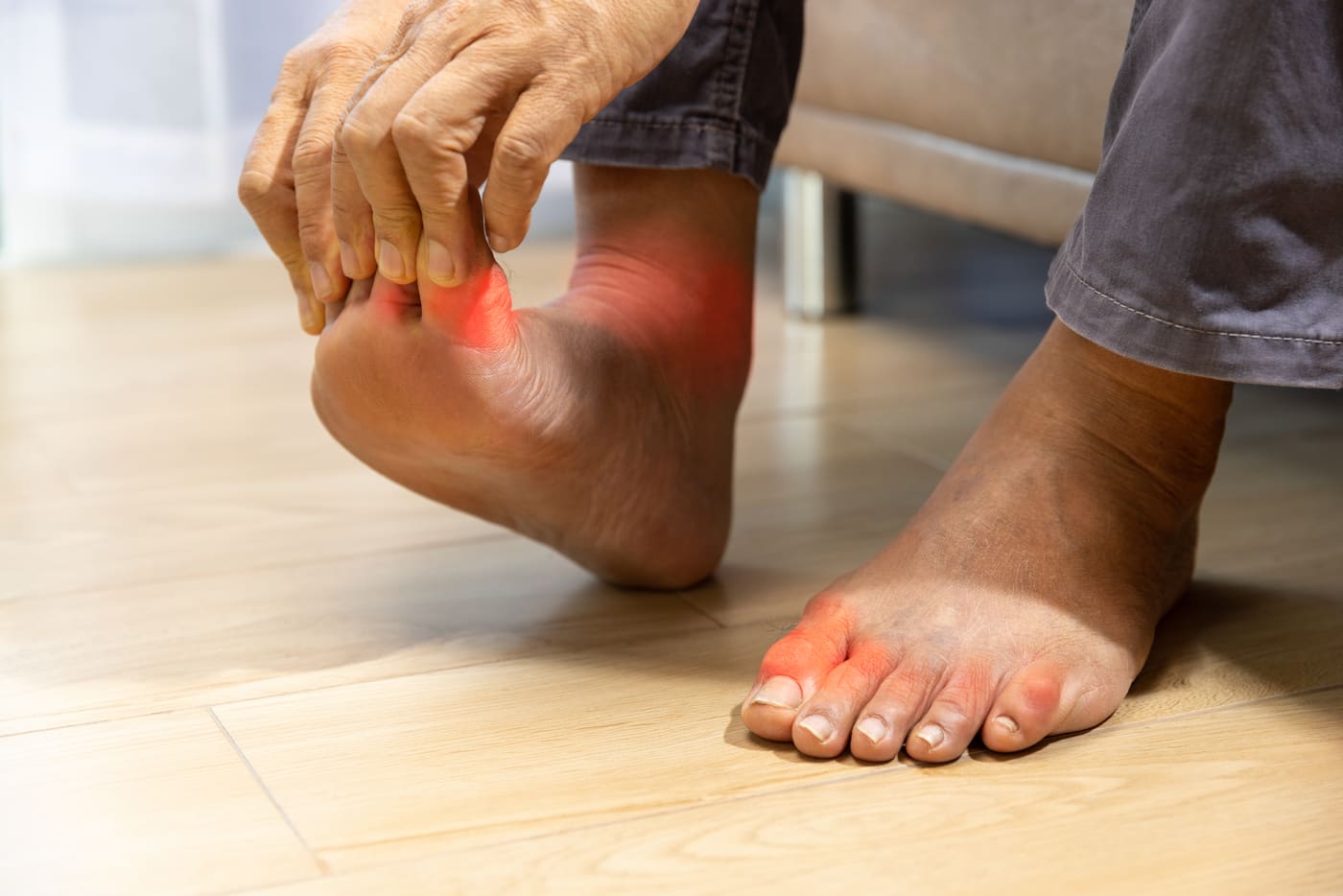

What Defines A Gout Attack?
A gout attack is characterized by a rapid onset of intense joint pain, swelling, redness, and warmth, typically during sleep. It usually affects a single joint, most commonly the big toe, although ankles or knees can also be involved. Even the slightest touch can be painful, and without proper gout treatment, recurrent gout attacks may occur more frequently, potentially leading to joint destruction over time.
1. The Pain
Pain hits hard, fast, peaking typically in 12 to 24 hours with some people describing it as a 9 out of 10. The joint becomes so sensitive that sheets are like razors. Night and early morning are the worst because of cooler joint temperatures and slower circulation.
Pain subsides in days, but a dull ache can persist and heel strike or pushing off the foot can remain difficult.
2. The Swelling
Swelling develops within hours and can appear dramatic, with a noticeably enlarged joint. The skin may glisten and transition from red to purple as the pressure increases. Warmth and profound tenderness accompany it.
Motion shrinks, so stairs, squats, or holding small things can get hard.
3. The Location
The initial strike generally takes aim at the ‘big toe’ or metatarsophalangeal joint. You can experience flares in the ankles, knees, midfoot joints, elbows, wrists, or fingers.
One joint is typical of an acute attack; however, more than one can flare if your urate burden is significant. Over time, repeat attacks can spread to multiple joints and lay the groundwork for chronic gout.
4. The Duration
The majority of flares last a couple of days to two weeks, with five to ten days being typical without intervention. Your initial attack can be shorter than subsequent ones.
If you neglect care, flares can become longer and more common. Follow each flare’s beginning, zenith, and resolution to identify trends and triggers.
5. The Aftermath
Tenderness, stiffness, and low-grade ache can persist for weeks. Repeated flares can erode cartilage and distort joint shape.
Urate crystals could continue to accumulate, leading you toward chronic gout. Look out for tophi—hard, pale lumps occurring under the skin near joints or the ear.
Why Does Gout Happen?
You get gout when uric acid levels accumulate in your bloodstream and deposit as sharp crystals in a painful joint. Both your genetics and lifestyle influence that risk. Certain health conditions and medications can drive uric acid production up. Understanding the cause helps you prevent gout flares and plan care.
Uric Acid
Uric acid is a waste produced when your body processes purines from food and your own cells. When blood levels remain high, known as hyperuricemia, it can lead to gout attacks as crystals form and lodge in joints or tissue, causing intense pain, heat, and swelling. This time-honored condition is linked to uric acid crystals in joints and kidneys, which can result in painful flare-ups, particularly in the great toe.
Tophi may appear on feet and elbows in chronic cases of gout symptoms. If your body produces excess uric acid or your kidneys do not eliminate enough, the levels rise. Approximately 90% of cases are due to under-excretion in the urine. Crystals form when uric acid levels exceed what your body can dissolve, leading to joint inflammation and acute gout attacks.
This detail about uric acid and its effects was not clearly established until the 20th century. Factors that raise uric acid include a high-purine diet, which contains organ meats and certain seafood, reduced kidney function, and dehydration. Additionally, sugary drinks and alcohol can nudge uric acid levels higher, contributing to the risk of recurrent gout attacks.
Genetics
Family history increases your risk, as a number of gene variants influence how you shuttle and eliminate uric acid through your kidneys. Certain populations exhibit increased rates, mirroring genetic predispositions in urate metabolism and the equilibrium between production and elimination.
Trace your and your family’s history so you and your clinician can screen early.
Lifestyle
Excess weight increases uric acid and joint stress. Alcohol, particularly beer and spirits, and sugar-sweetened beverages either add purines or increase production. Long days on your butt and a carb and red meat laden diet maintain the levels.
Rapid weight loss or fasting can trigger flares as tissue breakdown surges. Turn to consistent weight loss, additional water, plant-forward meals, and daily movement to reduce risk.
Medical Conditions
Chronic kidney disease, hypertension, diabetes, and metabolic syndrome all hinder uric acid management. Diuretics and low-dose aspirin can raise levels and trigger attacks. When they become unmanaged, gout risk and complications increase.
If you have gout, monitor blood pressure, kidney function, glucose, and lipids with your care team. 
How Food Affects Gout
Diet impacts how much uric acid you produce and how clear it is. High-purine foods increase the risk of gout attacks, while water, low-purine options, and consistent eating help you keep gout flares under control.
The Triggers
Purines from red meat, organ meats, shellfish, and certain fish (anchovies, sardines, mackerel) break down into uric acid, which can lead to gout symptoms when intake is high. Elevated uric acid levels can cause crystals to develop in affected joints, increasing the risk of acute gout attacks. Diets rich in meat and seafood are linked to more frequent gout flares, while excess plant protein has a far less significant effect.
Beer is a particularly potent trigger due to its purine content and the impact of alcohol on urate metabolism. While spirits and wine can still elevate risk, fructose-sweetened drinks are known to increase urate levels and may hinder uric acid clearance, further connecting high-sugar diets to hyperuricemia.
Additionally, large meals and dehydration can trigger sudden gout attacks by spiking purines and concentrating urate, leading to severe pain and joint swelling. It is crucial to monitor dietary habits to prevent the onset of painful flares and manage this health condition effectively.
- High-purine foods include red meat, liver, kidney, sweetbreads, anchovies, sardines, herring, mackerel, mussels, and scallops.
- Alcohol: beer (highest concern), liquor, wine (dose-dependent)
- Sugary drinks: sodas and juices with fructose or HFCS
- Patterns: overeating, crash fasting, dehydration, heavy late-night meals
The Helpers
Low-fat dairy, vegetables, legumes, and whole grains provide you with nutrients and have fewer purines. Dairy and plant proteins are linked to a lower gout risk than animal protein.
Target more than 2 to 3 liters per day, unless your clinician puts you on restrictions. Good hydration promotes uric acid elimination. Cherries and vitamin C-rich foods may reduce serum urate by influencing reabsorption and enhancing renal excretion.
Vitamins A, E, and C can help to dampen oxidative stress and inflammation. Fiber helps too; gut microbes ferment it into short-chain fatty acids like butyrate, which can support urate balance and improve lipid handling in the liver and pancreas. Proper calcium intake decreases kidney stone risk and can assist in uric acid excretion in the kidney.
- Choose: skim or low-fat milk, yogurt, tofu, lentils, oats, brown rice, leafy greens, broccoli, citrus, cherries, berries, nuts
- Hydrate: water first. Include unsweetened tea or coffee if accepted.
- Add fiber: beans, barley, chia; consider gradual increases
- Mind micronutrients: vitamin C sources (kiwi, oranges, peppers), and calcium-rich dairy or fortified options.
| Foods to avoid | Foods that may help |
|---|---|
| Organ meats, red meat, anchovies, sardines, mackerel, shellfish | Low-fat dairy, vegetables, legumes, whole grains |
| Beer, high-fructose drinks, excess alcohol | Water, cherries, citrus, vitamin C sources |
| Large portions, dehydrating habits | Fiber-rich foods, nuts, calcium-rich choices |
Getting A Diagnosis Of Gout
You reach a gout diagnosis by connecting textbook gout symptoms with highly focused testing and confirming them when necessary. What we want to do is identify urate crystal disease, exclude infection or other arthritis, and direct prompt gout treatment.
Clinical Evaluation
Your clinician begins with your history and a joint exam. Gout is typically identified clinically when you present with rapid-onset monoarticular arthritis with swelling and erythema, most commonly at the first metatarsophalangeal joint (big toe).
Attacks can be sudden and severe, often during sleep, with intensity lasting for hours. Risk clues matter: men are about three times more likely than women. It often starts in men after 40 and in women after menopause.
Diabetes, obesity, kidney or heart disease, and certain medications increase risk. Tophi, which are hard, white nodules beneath the skin, indicate chronic or undertreated gout.
Joint Fluid Analysis
If the diagnosis is unclear or an alternative cause such as septic arthritis is possible, joint aspiration is the gold standard. A needle extracts synovial fluid from the aching joint.
Finding needle-shaped monosodium urate crystals exhibiting intense negative birefringence confirms gout. This test differentiates gout from calcium pyrophosphate deposition disease and infection, which require different treatment.
Imaging Tests
Imaging is useful when fluid cannot be obtained or to evaluate damage. Ultrasound can reveal the ‘double contour’ sign, which indicates urate on cartilage and tophi in soft tissue.
X-rays assist in excluding fractures and chronic erosions. Advanced imaging can evaluate joint burden and guide interventions. Clinicians use imaging to rule out other causes that mimic gout.
Blood Tests And Timing
Serum urate bolsters the picture but is not diagnostic. Levels can be normal during an acute flare, so a normal result doesn’t exclude gout.
Repeating testing when pain settles helps. Use blood tests to supplement symptoms and exam, not supplant them.
Your Prep Checklist
- Symptom Log: Date and time of onset, worst pain in the first 24 hours, joint(s) involved, redness, swelling, warmth, night-time waking, similar past attacks, and triggers such as alcohol, purine-heavy meals, dehydration, intense exercise, and illness.
- Medical History: prior gout or kidney stones, diabetes, obesity, heart or kidney disease, menopause status, family history of gout or stones.
- Medication List: diuretics, low-dose aspirin, ciclosporin, tacrolimus, niacin, recent antibiotics, all supplements and herbal products, current flare meds taken and response.
- Lifestyle Context: alcohol intake, sugary drinks, diet patterns, recent travel, fasting, or crash diets. Fluid intake is measured in liters per day.
- Photos And Records: Clear photos of swollen joints, prior labs for urate (µmol/L), kidney function (eGFR), and any imaging reports.
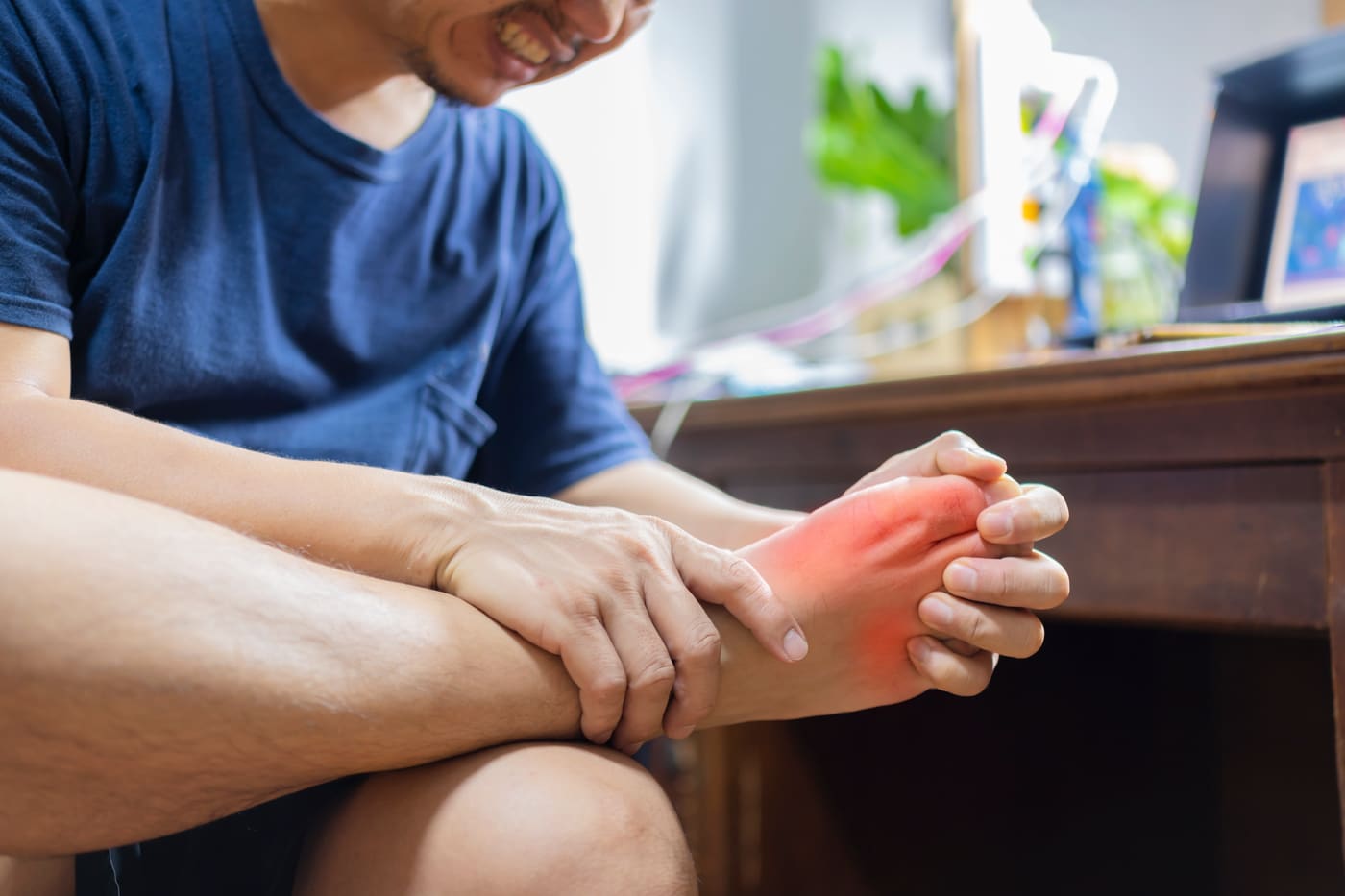

How To Diagnose Gout
Use a combined plan: fast treatment for gout flares, steady habits to lower uric acid levels, and routine checks for early diagnosis. Record your gout symptoms, diet, alcohol, sleep, stress, and medications in an easy journal to identify triggers and pain relief.
Acute Flares
Initiate treatment at the first sign of joint pain or swelling. NSAIDs such as ibuprofen or naproxen can reduce pain and swelling. Colchicine works best if taken early. Corticosteroids orally or via injection are alternatives if NSAIDs or colchicine are not suitable.
These drugs combat inflammation, while a different type reduces uric acid in the long run. Rest the joint, keep it elevated above your heart, and apply ice packs for 10 to 15 minutes multiple times per day.
Pass on booze, particularly beer. Steer clear of purine-heavy dishes that can exacerbate symptoms, such as processed deli meats like turkey. Water or lemon water, for god’s sake, skip soda, energy drinks, and sports drinks.
Long-Term Plan
Urate‑lowering therapy is necessary if you have frequent flares, tophi, kidney stones, or high serum urate. Allopurinol reduces production and probenecid increases excretion. Your clinician will adjust the dose to achieve a serum urate goal.
Get regular blood tests to monitor uric acid and kidney function. Make and keep appointments even when you’re feeling well. Work on weight loss if needed, steady exercise, and a simple eating pattern: more plants, low-fat dairy, and oats.
One daily serving of whole grain cold cereal, cooked oatmeal or oat bran links with lower gout risk. Don’t discontinue gout medications independently. Abrupt discontinuations can trigger flares.
Beyond Medication To Prevent Gout
Stay well hydrated. Shoot for clear urine most of the day. Water, lemon water, or herbal tea are all good options. Limit sugary drinks that spike uric acid.
Lower stress with brief daily practices: breathing drills, brisk walks, or short mindfulness breaks. Stress swings can occur before flares. Shield sensitive joints. Use good shoes, avoid high-impact bursts, and develop strength with low-load training.
Lean On Support: Family, peers, or a patient group can help with reminders, meal ideas, and morale.
Gout Beyond The Joint
Gout is about more than just gout flares in your big toe; elevated uric acid levels can impact soft tissue, kidneys, and cardiovascular health, leading to painful joint injuries that accumulate over time if left unchecked.
Chronic Gout Causes Tophi, Kidney Stones, Tissue Damage
When uric acid levels remain elevated, it can lead to the formation of hard crystals in tissues known as tophi. These deposits may appear on fingers, toes, heels, elbows, or ears, and can cause painful joint issues. If the skin over tophi turns red, swells, or itches, it may be an early sign of silent crystal accumulation, indicating that you might be experiencing gout symptoms. Tophi in tendons and bursae can ignite constant low-grade pain and restrict movement, potentially leading to acute gout attacks.
Individuals who develop tophi often excrete higher levels of uric acid in their urine, increasing their risk of suffering from kidney stones. This condition can result in intense pain, hematuria, and recurrent infections, which are common complications associated with elevated uric acid levels. Kidney stones can obstruct urine flow and lead to severe pain, making it essential to seek medical advice for effective gout treatment and management.
If you notice symptoms of gout or experience a sudden gout attack, it’s crucial to consult a doctor for an accurate diagnosis. Early diagnosis and appropriate gout treatments can help prevent joint destruction and manage the severity of gout flares, ensuring better long-term health outcomes.
Untreated Gout Elevates Kidney, Cardiovascular Disease
Excessive crystal load can damage the kidneys, resulting in uric acid nephropathy that deteriorates filters and reduces function. Over time, this increases your risk of chronic kidney disease.
Gout has been associated with increased cardiovascular risk. The probable culprits are systemic inflammation and metabolic overlap, which could accelerate plaque accumulation and harden arteries.
You could have elevated risk of high blood pressure, coronary events and stroke even in between flares.
Risk Of Permanent Joint Deformity, Immobility
Unmanaged gout can wear away bone and cartilage and disfigure joints. You experience crooked toes, immobile bumps and limited range of motion.
Simple tasks like walking 1 to 2 kilometers, climbing a flight of stairs, and typing can become painful. Chronic pain and frail balance raise the risk of falling.
Comprehensive Care Needed For Joint, Systemic Gout
Shoot for less than 0.36 mmol/L serum urate, or 0.30 if you have tophi. Employ urate-lowering therapy and anti-inflammatories for flares.
Hydrate at 2 to 3 liters per day and use stone-prevention measures such as urine alkalinization when indicated. Screen kidneys, blood pressure, and cardiovascular risks.
Treat early or permanent damage can occur. 
Conclusion
You handle gout your way. You monitor for it. You monitor your food, drink, stress, and sleep. You make care plans with your doctor. You act quickly in a flare with a pain plan tailored to your body. You take your meds the proper way. You check uric acid so you know the deal. You construct an uncomplicated diet you can maintain. Water, water, water. Less alcohol. Consistent weight targets. Easy clear victories.
Life doesn’t end with gout. You still go, toil, and play with friends. Small steps add up. A 20-minute walk. A switch to low-fat milk. A check of shoes that space your feet. You get actual gains you can sense.
Ready to organize your next move? Come on, consult your physician and make yourself a promise this very day.
Frequently Asked Questions
What is a gout attack and how does it feel?
A sudden gout attack often results in excruciating joint pain, particularly in the big toe, accompanied by swelling, warmth, and redness. The affected joint becomes extremely tender, making even a slight touch cause intense pain.
What triggers gout in the first place?
Gout occurs when uric acid levels accumulate and crystallize in a joint, leading to painful flare-ups. Your risk increases with genes, kidney disease, certain medications, alcohol, dehydration, and high-purine foods.
Which foods should you avoid if you have gout symptoms?
To manage uric acid levels effectively, keep to a minimum red meat, organ meats, and certain seafood such as anchovies, sardines, and mussels, while focusing on vegetables, low-fat dairy, whole grains, and plenty of water.
How is gout diagnosed by a doctor?
Physicians validate your complaints, inspect the affected joints, and can test blood uric acid levels. The definitive test is joint fluid analysis to visualize urate crystals, which helps diagnose gout.
How can you quickly manage a gout flare at home?
Rest the affected joint, ice it, elevate, and hydrate. A) Take prescribed NSAIDs, colchicine, or glucocorticoids for pain relief. Avoid alcohol and trigger foods. Call your doctor if severe pain worsens.
Can you prevent future gout attacks?
Yes. Stay at a healthy weight, drink water, limit alcohol, and keep blood pressure and kidney health in check to manage gout symptoms. If prescribed, take urate-lowering drugs daily and monitor uric acid levels with a target below 0.36.
Does gout affect more than joints?
Yes. Elevated uric acid levels are associated with kidney stones, chronic kidney disease, and cardiovascular disease, which can lead to painful gout symptoms and severe attacks. Taking care of uric acid and risks saves your joints and your life. Keep regular follow-ups.