Palindromic Rheumatism is a rare form of inflammatory arthritis characterized by sudden, brief flares that attack joints and then dissipate without residual damage. You could experience acute pain, warmth, and swelling in one or multiple joints, frequently the fingers, wrists, or knees.
Flares, which can last hours to a few days, come and go without any set pattern. Some go on to develop rheumatoid arthritis. You get definitive symptoms, exams, and treatment measures to inform your decisions.
Key Takeaways
- Palindromic rheumatism is a rare, periodic form of arthritis, where painful joint attacks come on suddenly and resolve completely between episodes without permanent damage. Record attacks to assist in identifying the pattern and directing treatment.
- You might experience migrating joint involvement, typically in the hands, wrists, and knees, along with redness, swelling, and stiffness. Maintain a symptom diary that includes timing, joints involved, and severity.
- You can help diagnose by arriving for evaluation during the midst of an active flare and getting tests like CRP, ESR, antibody panels, and an ultrasound. Anticipate normal results between attacks, hence the importance of documentation.
- You can treat flares with NSAIDs, brief steroid courses, rest, and heat or splints. For attacks more often or a greater RA risk, inquire about DMARDs such as hydroxychloroquine and methotrexate with consistent monitoring.
- You can reduce flare risk by keeping a healthy weight, engaging in gentle exercise, not smoking, and reducing stress. Keep a symptom diary to determine your own triggers, such as infections, minor trauma, or environmental exposures.
- Schedule regular follow-ups to monitor for progression to RA, particularly if anti-CCP or RF is positive. Early treatment and proactive lifestyle changes assist in safeguarding long-term joint function and quality of life.
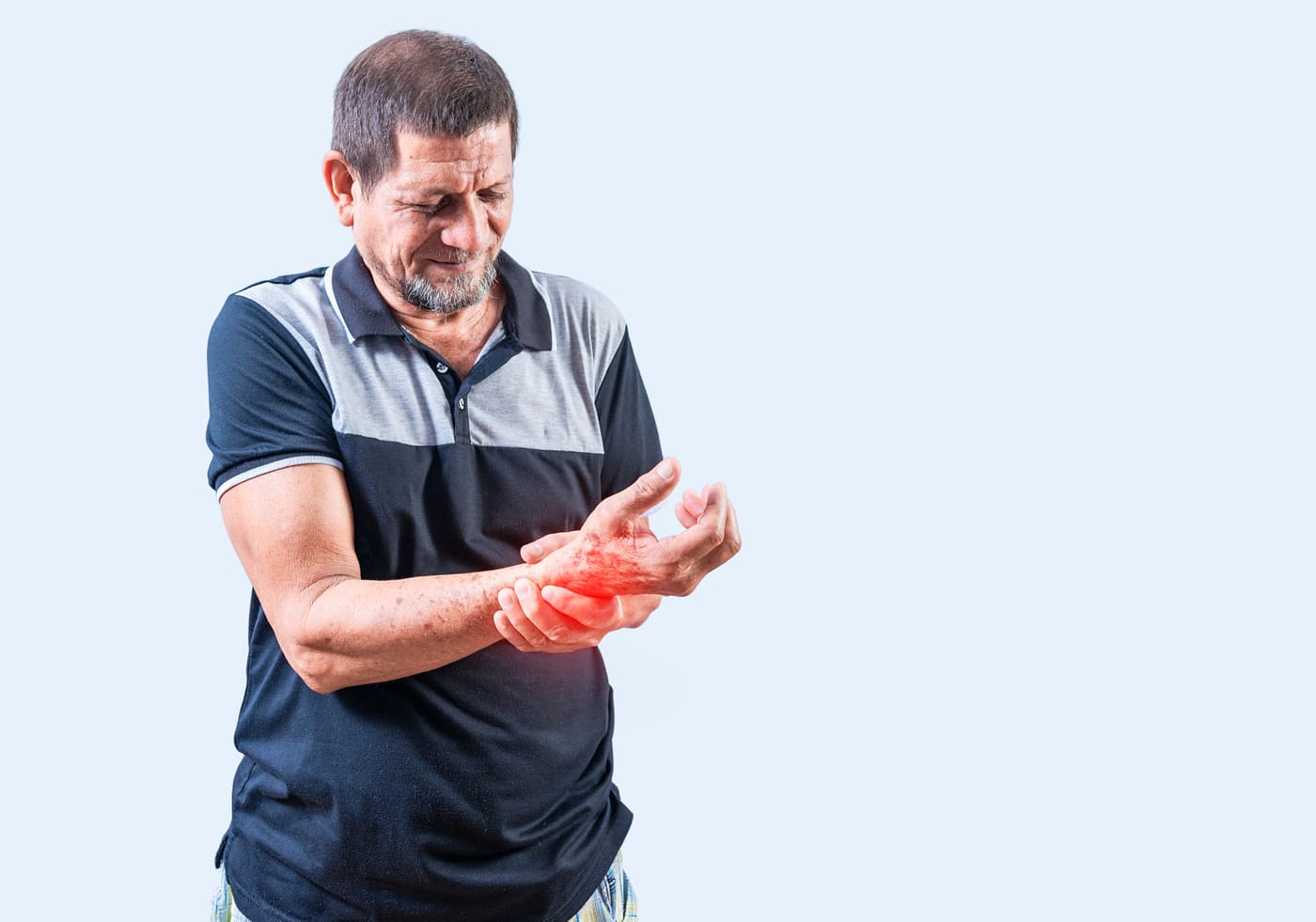

What Is Palindromic Rheumatism?
You’re dealing with a rare, idiopathic, episodic inflammatory arthritis characterized by sudden, recurring bouts of joint inflammation. Unlike chronic arthritides, your joints revert to baseline between flares with no permanent damage.
Attacks begin rapidly with pain, swelling, and redness in one or more joints, then subside completely. It’s considered a syndrome; phenotypes appear similar, but the biology and long-term courses are different, so outcomes are different.
First described in 1928 by Philip S. Hench at the Mayo Clinic, it never becomes persistent like RA.
1. The Attack Pattern
These flares are sudden and random, lasting a few hours to 1 week, and then cease spontaneously. Different joints can flare each time.
Hands, wrists, and knees are common. You can have days, weeks, or months with no symptoms, which makes diagnosis difficult. Others have two to three episodes a month, and a couple of flares can be incapacitating.
About: What is palindromic rheumatism? Record start time, joints affected, pain score (0 to 10), apparent redness, swelling, stiffness, fatigue, fever, medications taken, and duration.
2. The Affected Joints
Small joints, particularly the metacarpophalangeal and interphalangeal joints, often experience frequent inflammatory attacks. As the condition progresses, knees, wrists, ankles, and shoulders may also be affected, with the knee and wrist commonly involved in palindromic arthritis episodes. The involvement tends to be asymmetric and can shift between episodes, leading to persistent arthritis symptoms.
In addition to joint symptoms, periarticular tissues such as tendons and ligaments may experience painful inflammation, causing discomfort just outside the joint. This pattern of articular inflammation can be indicative of various rheumatic diseases, and a thorough differential diagnosis is essential for effective treatment options. Rheumatologists often consider the history of palindromic attacks in their assessments.
As the disease evolves, patients may present with an acute onset of symptoms in multiple joints, including the right wrist. It’s crucial to recognize these clinical symptoms early to avoid lasting damage and to implement appropriate treatments, such as steroid injections or other rheumatic drugs, to manage the condition effectively.
3. The Symptom Spectrum
Anticipate acute pain, swelling, warmth, redness, and joints that are difficult to move during a flare. You might observe a low-grade fever and clear skin erythema over the hot joint.
Fatigue is common and can lie in the wake of a flare for days or weeks. In between attacks, joints heal back to normal with no damage, as opposed to chronic polyarthritis, which carries ongoing stiffness, swelling, and progressive transformation.
4. The Key Distinction
This syndrome is intermittent and self-limiting, not continuous like chronic arthritis. No progressive joint destruction or deformity occurs between attacks.
Most display RA-like autoantibodies and most, but not all, go on to develop RA. Diagnosis matters because that is how you end up with the right plan and avoid over- or under-treatment.
The Diagnostic Journey
You are up against a moving target with palindromic arthritis (PR), which flares fast and then fades, often leaving exams between attacks normal. This gap can lead to delays in diagnosing rheumatic diseases, causing re-referrals and second-guessing your symptoms. An early, accurate diagnosis is crucial for better treatment options and protection of your quality of life.
| Condition | Attack pattern | Exam between flares | Imaging | Autoantibodies | Joint damage |
|---|---|---|---|---|---|
| Palindromic rheumatism | Sudden, short flares (hours–days); full remission | Often normal | US/MRI: transient synovitis; X‑ray normal | RF/anti‑CCP may be ± | No erosions |
| Rheumatoid arthritis | Persistent, symmetric | Ongoing synovitis | Erosions over time | RF/anti‑CCP often + | Progressive |
| Gout | Acute monoarthritis; the great toe is common | Quiescent | US: tophi/double contour | Uric acid high | Erosions/overhang |
| Psoriatic arthritis | Variable, dactylitis, psoriasis | Residual inflammation | Enthesitis, new bone | RF − | New bone/erosions |
| Reactive arthritis | Post‑infection, asymmetric | Residual | Enthesitis | HLA‑B27 ± | Variable |
Clinical Evaluation
Request an exam while the flare is live. You need swelling, warmth, and redness documented, not pain scores, so book urgent slots when you can and use photos or video where the flare is short.
Your clinician should look for synovitis, periarticular inflammation, and soft-tissue pain, not just joint lines. Even extra-articular signs count: nodules, rash.
Share a full history: dates, duration, joints hit, full resolution, past autoimmune issues, family patterns. Most of you wait weeks for appointments and flare again before being seen. Some of you report age or health status led to you being deemed ‘low risk’.
Blood Markers
Test CRP and ESR in the attack window. Say it again when you’re good to demonstrate the difference.
Order RF, anti-CCP, and ANA. They can be normal between attacks, which confuses the issue. Anti-CCP or RF positivity increases your likelihood of progressing to rheumatoid arthritis.
Anticipate questions regarding triggers and insist on getting your worries recorded, even if they’re dismissed.
Imaging Tests
Use ultrasound or MRI during a flare to catch synovitis, effusion, or periarticular edema. X-rays are typically early normal with no erosions.
If pain persists or function declines, repeat imaging to monitor for new injury. Most of you have pain, swelling, fatigue, stress, and distress even when scans look clean; that disconnect is common.
Follow the findings in a table to distinguish episodic PR from chronic arthritis over time. 
Triggers And Risk Factors
You’re dealing with recurrent, acute attacks of joint pain and swelling that flare up and subside. Attacks tend to begin in one or two joints, typically the hands, and you can be fine between flares. It can occur less than once a year to more than once a week, and two or three joints could be involved, with different joints affected in different attacks.
Around 50% go on to develop RA; in over studies, 15% to 66% progress.
- Stress (physical or emotional)
- Mild joint trauma
- Infection (respiratory, oral, gastrointestinal)
- Environmental exposures (smoke, solvents, silica)
- Smoking and obesity
- Genetic background and family history of autoimmunity
- Immune dysregulation with autoantibodies (e.g., ACPA, RF)
Genetic Links
Some of you bear HLA risk alleles associated with autoimmune disease, and these appear in a fraction of palindromic rheumatism. There is overlap with known RA loci, potentially accounting for why hand involvement and positive ACPA or RF increase the likelihood of RA development over time.
Familial clustering backs a heritable part, although the illness impacts men and girls alike and often begins between ages 20 and 50. Genetic studies can identify higher-risk profiles and direct more careful follow-up. They cannot forecast the precise trajectory for any individual.
Environmental Triggers
Infections are notorious for triggering attacks, from the common cold to gut bugs. Allergens and some chemicals, like solvents or silica dust, can ignite flares in those who are genetically primed.
Take periodontal disease, for example. Oral bacteria connect to citrullination, ACPA, and hands-first attacks. Good dental care might reduce the risk of flares.
Stress, including life stress as well as poor sleep, can trigger a flare. Track exposures and timing.
For education, use a simple table listing common triggers: recent infection, dental issues, new chemical exposure at work, heavy smoke exposure, acute stress, or minor joint injury.
Lifestyle Impact
A day on the couch, ultra-processed diets, and low fitness can feed inflammation and stiffness. Maintaining a healthy weight reduces joint stress.
Light, regular exercise such as walking, biking, and range-of-motion exercises can decrease flares and hasten recovery. Smoking increases the risk for both palindromic rheumatism and RA. Quitting is one of the highest-yield interventions.
Adopt small, steady changes: sleep routine, oral hygiene, weight goals, and an exercise plan you can maintain.
Managing Palindromic Rheumatism
You want a plan that soothes flares swiftly, minimizes articular inflammation between bouts, and reduces your risk of chronic arthritis. Taking action early helps you minimize pain, protect your joints, and reduce your risk of developing persistent arthritis, which develops in as many as 50 percent of people.
Acute Attack Relief
Take an NSAID at the first hint of a flare for pain and swelling, such as ibuprofen or naproxen. Since many flares strike in the early morning, keep a dose by your bed with water to get going sooner.
For bad or stubborn flares, a short course of oral corticosteroids can provide relief, or a local steroid injection can provide rapid control in one inflamed joint. Include heat packs for stiffness, or a wrist or finger splint to restrict painful motion when swelling is at its peak.
Rest the hot joint, then reinitiate a gentle range of motion as pain subsides to prevent stiffness. Fatigue after attacks can linger for days or weeks. Pace activities, schedule brief breaks, and avoid joint-intensive tasks during recovery.
Long-Term Prevention
DMARDs decrease attack frequency and assist in preventing progression. Hydroxychloroquine is the standard first option. Methotrexate is considered if attacks persist or if features suggest evolving RA.
You need labs and check-ins on a regular basis to monitor side effects and to adjust dosing to disease activity. If attacks persist, certain antimalarials or biologics may be possibilities in carefully chosen refractory cases with specialist management.
Collaborate with a rheumatologist and a physiotherapist to help create joint-safe exercise regimens, and a nurse specialist to teach you about your medications and monitor the effects.
| Medication | Typical role | Key side effects |
|---|---|---|
| Hydroxychloroquine | First-line DMARD for attack prevention | Nausea, skin rash, and rare retinal toxicity |
| Methotrexate | For frequent/severe attacks or RA features | Mouth sores, liver issues, low blood counts |
| Biologics | Refractory cases | Infection risk, injection reactions |
Lifestyle Strategies
Choose low-impact moves such as daily stretching, pool work, or hydrotherapy to maintain range and strength, especially for those with rheumatic diseases. A physio can customize plans to accommodate specific conditions. Swimming often goes down well for those experiencing joint problems in achy wrists and knees.
Eat an anti-inflammatory pattern rich in omega-3 fish, vegetables, fruit, whole grains, nuts, and legumes, as these can help mitigate the effects of inflammatory attacks. Others discover that fish oils allow them to take fewer rheumatic drugs.
Use stress management tools that you can repeat, such as mindful breathing, brief meditation, or short therapy sessions. Monitor sleep duration and quality, as inadequate sleep exacerbates symptoms of persistent arthritis.
Maintain a symptom diary to record the time of flare, joints impacted, food, stress, and activity. Recognizing patterns assists in optimizing treatments, diet, and rest with your healthcare team. 
The Long-Term Outlook
Palindromic rheumatism has many courses. You can have mild, infrequent attacks and maintain complete functionality, while others experience frequent, debilitating flares that interfere with work, family, and sleep. A fraction turns into chronic inflammatory disease, most frequently rheumatoid arthritis (RA).
Regular follow-up helps spot change early. Timely diagnosis and new jabs in the last 15 years have helped save lives and save joints.
Disease Progression
Most don’t develop persistent joint damage between attacks, but some convert to chronic polyarthritis. Risk rises when flares are frequent, last for days, or affect numerous joints.
Stress, fatigue, and occasional winter or rainy seasons can be triggers. Others experience lethargy that seems like ‘weariness surrounding us’.
Autoantibodies are significant. Testing positive for anti-CCP or rheumatoid factor indicates an increased risk of persistent synovitis. If you observe joints lingering swollen outside a flare window, you should flag it promptly.
Consult your team regarding imaging when things change. Ultrasound can detect synovitis that is occult on exam. X-rays might detect the initial alteration in late-stage instances.
Checklist For Follow‑up:
- Attack frequency and duration; note daily vs yearly patterns
- Severity, joint count, morning stiffness over 30 minutes
- Anti‑CCP, rheumatoid factor, CRP/ESR trends
- Persistent swelling between flares; ultrasound signs
- Functional limits at home or work; cumulative “flare load.”
Ra Conversion Risk
As many as 40% will go on to get RA. Your risk is greater if you’re anti-CCP positive, have rheumatoid factor, and experience frequent, severe attacks with residual stiffness.
Early DMARD use in high-risk cases can delay or prevent RA onset, such as hydroxychloroquine or methotrexate, selected to match your characteristics and ambitions.
Ra Risk Factors (For Counseling)
- Anti‑CCP: positive, high titer
- Rheumatoid factor: positive
- Frequent, severe flares; polyarticular pattern
- Persistent synovitis or ultrasound power‑Doppler signal
Quality Of Life
Unpredictable attacks can disrupt meetings, commuting, childcare, and travel. Some of you experience brain fog and profound exhaustion, “as if you’ve been in a battle.
Delayed referral and years to diagnosis add strain, while early care and preventive steps reduce disruption. Trace triggers such as stress, lack of sleep, and changes in the weather.
Modify pacing, schedule buffers, and employ mini rest blocks in high-risk times. Symptom control with DMARDs and fast flare plans improves day-to-day function.
Be transparent with your care team about pain, fatigue, mood, and work constraints. Talk about a bad week, not just today.
Quality‑of‑life Prompts (Validated Tools)
- “Would PROMIS Fatigue show a change this month?”
- “Do HAQ‑DI scores reflect dressing, grip, or stair issues?”
- “Would SF‑36 capture role limits at work?”
- “Is PHQ‑9 needed to screen low mood?”
- “Are sleep scales showing non‑restorative nights?”
Beyond The Physical Symptoms
Palindromic rheumatism can significantly impact how you feel, connect, and function, affecting not only your joints but also your overall well-being. To address this, you need an integrated plan that combines treatments for persistent arthritis with mental, social, and practical support.
Emotional Toll
Regular, unforeseen assaults can create stress, anger, and depression. You might be irritable, frustrated by lost autonomy, or concerned that symptoms dictate decisions. Not knowing if it will get worse is hard.
Waiting for answers or waiting to see a specialist can bring on fear and stress, which some have found can cause or exacerbate flares when fatigued. Build coping tools you can use fast: brief breathing drills, a 10 to 15 minute walk, a set bedtime routine, and time blocks for rest.
Request some mental health support, such as CBT, counseling, or meditation programs. Connect with peer groups via established patient organizations for cross-checking notes on pacing, medication timing, or flare kits, and to break isolation.
Social Impact
Joint pain and fatigue might lead you to bail on plans, abandon hobbies, or stop going out. Intervals between attacks can baffle others since you appear to be ‘okay,’ which can stress trust.
Use flexible plans with backup options: meet online if pain spikes, choose venues with seating, keep events shorter, and schedule earlier in the day. Share clear, brief language: “My symptoms come in flares that can change by the hour.
Bring your close contacts up to speed on the episodic pattern so they understand why plans might change at the last minute. Regular, light communication—texts, brief calls, or low-key hangouts—maintains connection.
Work Challenges
Even acute attacks can slash productivity, lead to days missed, and render certain activities unsafe. Fatigue and the stop-start pattern can decelerate career momentum and dull professional fulfillment.
Talk flexible hours, remote work days, or task swaps during flares. Inquire about ergonomic aids, voice dictation, or split shifts. An occupational therapist can customize joint-friendly workstations, energy pacing, and micro-break schedules to safeguard comfort and maintain productivity.
Early diagnosis and referral to specialists help you start planning sooner, set expectations, and avoid a drawn-out disruption.
To treat palindromic rheumatism, clinicians focus on controlling recurrent inflammation that affects the tissues around the joint and may signal an evolving connective tissue disease.
Because symptoms are episodic and often resolve between attacks, careful evaluation using established diagnostic criteria is important to distinguish palindromic rheumatism from other inflammatory arthritides.
Early recognition and appropriate management can reduce flare frequency and help monitor progression to a defined connective tissue disease. 
Conclusion
You live with flare days and calm. That swing can suck dry both your head and your schedule. You don’t have to do this alone. Clear next steps assist.
Keep track of every flare. Remember the date, joint, sleep, food, stress, and medications. Provide the log at each visit. Request tests that fit your narrative. Force a schedule you can implement on hectic days. Strive for flexible joints, fewer aches, and many more good hours.
Little changes accumulate. Consistent slumber, easy stretches, heating pads, mini work vacations, and mild trigger foods. Rely on your care team, a peer group, or a trusted friend. You get calmer with consistent treatment.
Need a jump-off point? Take our flare log template and schedule your next check-in now.
Frequently Asked Questions
Is palindromic rheumatism the same as rheumatoid arthritis?
Palindromic rheumatism (PR) is a condition characterized by intermittent patterns of sudden, brief attacks of joint pain and swelling that completely resolve, which can lead to persistent arthritis. Monitoring is crucial as some patients with PR may later develop rheumatic diseases like RA.
How is palindromic rheumatism diagnosed?
There’s no one test for diagnosing rheumatic diseases. Your doctor considers your clinical symptoms, exam, and history. Blood tests, such as rheumatoid factor and anti-CCP, along with inflammatory markers, help exclude other causes.
What triggers a PR flare?
Typical triggers for inflammatory attacks include stress, infection, excessive use of a joint, cold, and sleep deprivation. These triggers are personal; maintaining a symptom diary can help patients identify their own triggers to avoid them.
Can palindromic rheumatism be treated?
Yes. Flares get treated with NSAIDs or short steroid injections. DMARDs such as hydroxychloroquine reduce flare frequency and may decrease the risk of persistent arthritis. Collaborate with a rheumatologist to develop a personalized treatment plan.
Will palindromic rheumatism damage my joints?
PR flares do not typically cause permanent joint damage, unlike persistent arthritis, which can lead to lasting damage. Consistent monitoring and prompt treatments safeguard your joints.
What lifestyle changes help manage PR?
Get plenty of sleep, eat well, and engage in regular low-impact exercise. Control stress with breathing or mindfulness. Treatments like warmth, including saunas and hot tubs, joint protection, and pacing activities, reduce flares and pain in rheumatic diseases.
When should you see a specialist?
See a rheumatologist if you have recurrent, sudden joint swelling and pain that resolves between palindromic attacks, particularly with positive anti-CCP or rheumatoid factor. Early diagnosis enhances prognosis and directs treatment options.