Yes,osteoarthritisdisrupts sleep for several of you. Joint pain, stiffness, and swelling can wake you at night, disrupt sleep, and cause daytime drowsiness. You might experience additional tossing following active days, cold weather, or extended sitting.Night pain tends to follow flare-ups, excess body mass, or stress. To handle it, you gain from consistent pain relief, light nighttime stretching, andsleep hygiene. The following sections explain causes, symptoms, and easy actions.
Key Takeaways
- Osteoarthritis can interfere with your sleep through ongoing pain, nighttime aching, and stiffness that makes it difficult to shift positions. Subsequently, insufficient sleep can increase pain sensitivity, establishing a feedback loop that exacerbates symptoms.
- Sleep & Osteoarthritis: Does OA affect sleep? Nighttime inflammation can increase pain and wake you often. Seeing patterns allows you to recognize triggers and discuss targeted treatments with your clinician.
- Optimize your sleep hygiene: a supportive mattress, ergonomic pillows, and a cool, dark, quiet room. Play around with positions and include some light stretching before bed to alleviate joint pressure.
- Go over your drugs for sleep issues. Talk to your doctor about medication tweaks that optimize pain management and sound sleep.
- Defend your health with rituals, low-stress evening exercise, relaxation, and anti-inflammatory foods. Track your sleep and daytime energy to determine the optimal method.
- Consult a pro if insomnia, pain flares, or drug problems continue. Bring a sleep diary to personalize care and prevent long-term complications.

How Osteoarthritis Disrupts Sleep
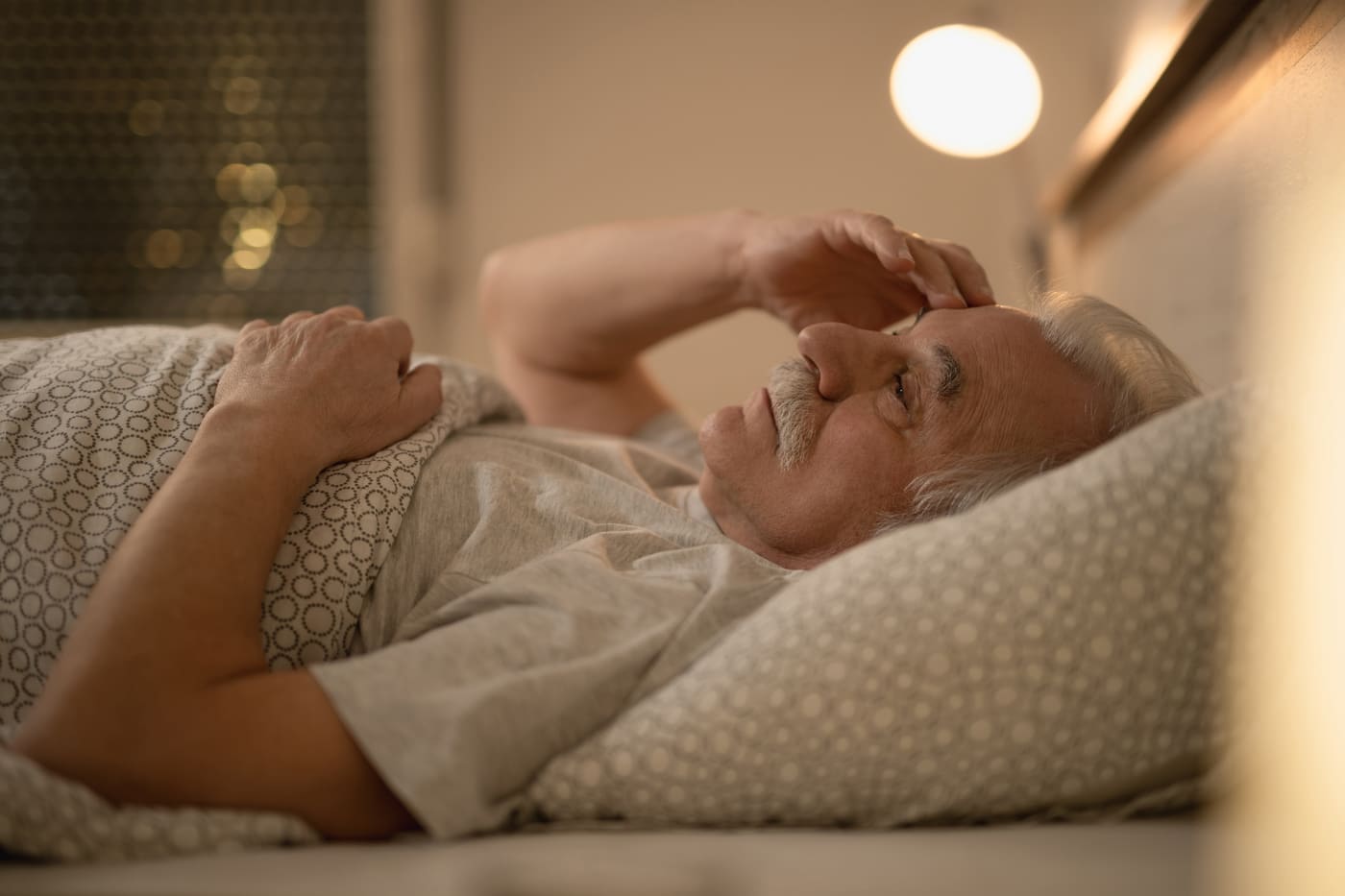
Osteoarthritis often breaks your sleep in two ways: it makes it hard to fall asleep and harder to stay asleep. Night pain, throbbing joints, and stiffness force you to wake, adjust, and wake once more. This, in turn, makespoor sleep, which then increases pain and inflammation, in a loop that pulls down function and mood.Data reflect this burden: over 30% of people with knee osteoarthritis struggle to fall asleep, and more than 80% struggle to stay asleep. In research, 71% have a recent sleep issue, 56% insomnia, and 56% inadequate sleep. About 20% have obstructive apnea.
1. Persistent Pain
Persistent joint pain is a primary insomnia driver in osteoarthritis. Pain sensitivity tends to increase at night when distractions die down, so tiny aches feel massive, and sleep becomes a distant dream. Flares can jolt you awake numerous times, particularly following a day spent on your feet or a chilly, damp night.Before long, you begin to dread going to bed, which triggers arousal and keeps you awake.
2. Joint Stiffness
Night and morning stiffness turn over in bed slowly and sorely, so you hesitate and shift less. You can’t find a safe-feeling posture for your knees, hips, or spine. Long periods of inactivity can stiffen joints even more.You wake unrefreshed, and daytime fatigue accumulates.
3. Inflammation Cycle
Inflamed joints can throb more at night, interrupting deep sleep. Bad sleep enhances inflammatory markers, which can amplify pain the following day. This bi-directional connection feeds depressed affect and activity restrictions.Record time, activity, and pain peaks to identify trends.
4. Finding Comfort
Straddle amedium-firm mattressand pillows to offload knees and hips. Experiment with side-lying, with a pillow between your knees, or back-lying, with one under your calves. Try to keep your room cool, about 18 to 20 degrees Celsius.Do 5 to 10 minutes of gentle range-of-motion work prior to sleep.
5. Medication Effects
Others are sedating, but they disrupt REM sleep. Corticosteroids may ignite insomnia or agitation. Look out for side effects that cause nighttime awakenings.Discuss dose and timing with your clinician to minimize sleep impacts.
The Sleep-Pain Vicious Cycle
Sleep and osteoarthritis have a vicious cycle. When you sleep badly, your pain threshold lowers, making the same joint load feel harsher the following day. That lower tolerance makes flares feel larger and more intrusive, which can lead you towards pain catastrophizing and raise the risk of central sensitization, where your nervous system begins increasing pain signals.You feel more worn down, move less, and protect joints more, all of which can stiffen tissue and prepare you for another hard night. This cycle is classic. Over 80% of those with arthritis complain of sleeping difficulties.At night, pain wakes you or prevents you from achieving deep sleep. Stiff hips when you turn in bed, knee throbs after a long day, or a shoulder ache from side-sleeping can lead to multiple awakenings. Every interruption splinters sleep architecture, so you get less time in the slow-wave and REM stages that aid pain modulation.Even if you’re able to clock 7 hours, you can still wake unrefreshed because the quality is poor. That nonrestorative sleep is associated with increased next-day pain and decreased function.Chronic sleep deprivation alters the way your brain and spinal cord respond to pain. With chronic short sleep, the pain-dampening system turns down, and the threat-flagging system turns up. Studies find that disrupted sleep and pain frequently co-exist, and both are associated with depressed mood and multiple types of functional disability.Poor sleep and diagnosed osteoarthritis are connected to functional impairment even in otherwise healthy adults. Spielman’s model of chronic insomnia fits here: pain can precipitate insomnia in people who are prone to hyperarousal, and studies show pain predicts the onset of insomnia over one year.Break the cycle by targeting both sides. For sleep, keep a regular schedule, reduce long daytime naps, test a 10 to 15 cm pillow height change, and follow stimulus control by using the bed only for sleep and sex, getting up if awake for more than 20 minutes.For pain, time, gentle range of motion in the evening, use heat on stiff joints and cold on hot flares, review NSAIDs or topical agents with your clinician, and consider cognitive behavioral therapy for insomnia and pain. 
Beyond Physical Discomfort
Osteoarthritis extends beyond joints into your cognition, emotions, and lifestyle. Sleep troubles do not just hang out on the sidelines; they mold pain, mood, and function, typically in a self-perpetuating cycle.
Mental Health
More than just physical pain. When you don’t sleep well, you’re more susceptible to pain, and sleep disruption in healthy individuals has been demonstrated to increase pain sensitivity as well. That shift can ignite catastrophizing, assuming the worst, which then further chokes sleep.Over weeks, this cycle can transform aches and pains into disability and reinforce a deepening low mood. Mood disorders push back on sleep. Anxiety can postpone sleep onset. Depression can disrupt it.You might get up early, stew on aches, and feel bogged down. Irritability increases, and minor hassles seem massive. It’s not just physical discomfort. Bad sleep blunts focus, memory, and decision speed.You can forget things or miss cues, which increases stress. Build mental health support into your plan: brief cognitive behavioral therapy for insomnia (CBT‑I), pain-coping skills, and counseling. If symptoms continue, inquire about evaluation for depression and anxiety.
Daily Function
| Area | What changes with poor sleep | Why it matters |
|---|---|---|
| Work/study | Slower thinking, more errors | Lower output and quality |
| Mobility | Sluggish reaction time | Higher fall and accident risk |
| Social life | Less patience, withdrawal | Strained ties, less support |
| Self‑care | Skipped exercise, meals off | Worse joint health, weight gain |
Fatigue Saps Ambition And Slices Output. You Skip Walks, Procrastinate, And Rely On Quick Fixes That Do Not Stick.
Sleep debt increases fall and accident risk as well, particularly when paired with morning stiffness or sedating medications.Track energyand focus by hour for two weeks and then match your notes with your bedtimes to identify patterns and potential triggers.
Immune Response
Chronic sleep loss undermines defenses, hijacks repair, and exacerbates inflammation. This translates to more colds, slower healing after flares, and a body set up to hurt more because of central nervous system sensitization.A bad night can spin you into higher pain the following day. Tighten sleep hygiene: steady bed/wake times, cool dark room, cut caffeine 8 hours before bed, limit alcohol, wind down from devices, and time pain plans for the night.Little, consistent improvements minimize the cascade across body and mind. 
The Role Of Medication
You employ medication to trim pain, soothe flares, and stabilize sleep. While there’s good evidence that meds reduce pain scores, improve mood, and improve quality of life in chronic pain, including osteoarthritis, results differ by your pain type, health, genetics, and sleep issues.Risks, including side effects, tolerance, and dependence, increase with prolonged use, so you balance benefits against harms and combine medicines with non-pharmacological instruments such as exercise, PT, and CBT.
- Paracetamol (acetaminophen): mild pain relief, fewer sleep side effects, watch liver dose.
- NSAIDs (ibuprofen, naproxen, diclofenac) cut pain and swelling. They can aid sleep by relieving nocturnal pain. They can give you an upset stomach, reflux, and stress your kidneys.
- Topical NSAIDs (diclofenac gel) provide local pain relief with lower systemic risks and a lower sleep cost.
- COX-2 inhibitors (celecoxib) are anti-inflammatory medications that have less gastric risk and can still impact the heart and kidneys.
- Duloxetine targets pain and low mood. It might enhance sleep. Nausea or dry mouth is a potential side effect.
- Low-dose tricyclics (amitriptyline, nortriptyline) help with sleep continuity and pain. They may cause brain fog and cotton mouth.
- Gabapentinoids (pregabalin, gabapentin) are useful for nerve-like pain. They may aid sleep and can cause dizziness and weight gain.
- Opioids (short-term, low dose): last resort for severe flares. They can tranquilize but dispel sleep. There is a risk of tolerance and dependence.
- Sleep aids such as melatonin and short-course sedative-hypnotics provide help for falling asleep. There is a risk of next-day fog and dependence on some agents.Pain meds can help you sleep faster by reducing baseline pain. Some wear off during the night or cause rebound. Anti-inflammatories reduce joint swelling that wakes you after sleep onset. Gastric reflux can wreck sleep.Sleep aids can reduce sleep latency. They typically do not correct pain arousals and can damage deep sleep. Antidepressants such as duloxetine can alleviate depressive symptoms that may exacerbate pain and insomnia.Discuss dosage, timing, and combinations with your clinician to address pain and sleep goals. Map a schedule: daytime NSAID with food, topical gel late afternoon, duloxetine in the morning if it worries you or at night if it calms you, low-dose TCA 1 to 2 hours before bed, avoid alcohol, keep total daily acetaminophen less than or equal to 3,000 mg, review every 4 to 8 weeks and adjust.
Strategies For Better Sleep
You control osteoarthritis through regular sleep patterns and intelligent painmanagement. Shoot for consistent bed and wake times, combine lifestyle measures with your therapy regimen, and monitor what works.Try: 1) fixed bed and rise times daily; 2) limit naps to 30 minutes; 3) morning sunlight for 10 to 20 minutes to set your body clock; 4) avoid caffeine, nicotine, and alcohol near bed; 5) keep movement most days but skip hard workouts 3 to 4 hours before sleep; 6) eat dinner 2 to 3 hours before bed; 7) create a 20 to 30 minute wind down; 8) log pain, meds, and sleep to spot patterns.
Optimize Environment
Make your room cool, around 18 to 20 degrees Celsius, dark, and quiet. Get blackout shades, soft earplugs, or a white noise app if you’re close to traffic.Choose a medium-firm mattress that supports hips and shoulders and ergonomic pillows that keep your neck neutral. Side sleepers might enjoy a knee pillow to relieve hip pressure.Cut screens an hour before bed. Blue-light filters do help, but full shut-off is best.Clear clutter, move work gear out, and keep meds, water bottle, and heat pack close at hand to minimize pain flare-ups at night.
Gentle Movement
Do light stretches or yoga for 5 to 10 minutes to loosen stiff joints, such as ankle circles and slow hip openers. A brief evening stroll, 10 to 20 minutes at an easy pace, can soothe your thoughts and increase circulation.No sprints, HIIT, or heavy lifts within an hour or so of bedtime. All of these cause a heart rate spike and postpone sleep. If you train hard, schedule it earlier.Build a simple, repeatable routine: take a warm shower, do a light stretch, then spend a minute on deep breaths. 
Mindful Relaxation
- Box breathing (4–4–4–4 counts) for 3–5 minutes
- Body scan from toes to scalp
- Guided imagery of a calm scene
- Calm, slow music or white noise
- Brief meditation using a trusted appDedicate 10 to 15 minutes each night. Avoid stressful conversations, work emails, or news right before bed.
Smart Nutrition
- Have light, balanced dinners of lean protein, whole grains, and vegetables to avoid reflux and night waking.
- Add anti-inflammatory foods: fatty fish, olive oil, nuts, berries, and turmeric.
- Limit caffeine to the morning and not after mid-afternoon. Avoid nicotine and heavy alcohol servings close to bedtime.
- Keep regular meal times to steady your body clock.
When To Consult A Professional
You should seek professional help when sleep remains bad despite consistent self-care. If pain interrupts your sleep most nights or you wake in pain frequently, then you need more than a home recipe. A GP, rheumatology, or sleep specialist can evaluate joints, sleep, and medications and tailortreatmentto your situation.Consult a professional if you experience extended periods of difficulty falling or staying asleep, a surge in nighttime pain or stiffness, or daytime fatigue beginning to affect your concentration or irritability. Thesesymptomsindicate sleep deprivation that requires more than fresh pillows or heating pads.If joint pain is now impeding daily activities or you feel weak or sluggish every day, a visit can rule out flares, new joint damage, or other causes like low iron or thyroid.See a clinician if you suspect sleep apnea. It comes through as obnoxious snoring, gasping, or morning headaches. It happens more often when you live with arthritis of the bone. Testing can confirm it, and treatment can improve both sleep and pain control.Come with a basic sleep diary for 2 to 4 weeks. Note bed and wake times, time to fall asleep, night wakings, naps, pain scores from 0 to 10, medications, caffeine, alcohol, and exercise. Monitor joint pain, night versus day.This history accelerates the appointment, aids in identifying trends, and informs decisions such as when to take painkillers, modify activity, or experiment with CBT-I.Question before you introduce any sleep aid. A clinician can verify that it won’t interact with your existing medications or supplements, determine the correct dosage, and arrange for brief use.If you experience side effects such as grogginess, slowed reflexes, mood swings, or stomach discomfort, mention them. These early shifts in your plan can avoid long-term complications such as falls, weight gain, or a downward spiral of pain. 
Conclusion
Osteoarthritis affects sleep. Pain rouses you. Stiff joints drag your night. Mood dips. Concentration falters. That loop can feel brutal. You are not trapped there.Baby steps assist. Warm shower at night. Gentle stretches for hips and knees. Cool, dark room at 18–20°C. Hard pillow between your knees on your side. Either a little nap or no nap. Establish a single wake-up time. Track flare triggers, such as long stairs or heavy bags. Try heat at night and ice in the day. Use simple breath work: in for 4, out for 6.Chat with your clinician if pain interrupts most nights or if meds wear off too quickly. You have options that reduce pain and enhance sleep. This one change, are you ready to try it out tonight?
Frequently Asked Questions
Can osteoarthritis make it hard for you to fall or stay asleep?
Yes. Joint pain, stiffness, and swelling may wake you or prevent you from sleeping. Sleep is often interrupted by nighttime pain flares and few comfortable positions.
How does poor sleep make your osteoarthritis pain worse?
Short sleep raises inflammation and reduces pain tolerance. This intensifies joint pain the following day and perpetuates a feedback loop of more pain and poorer sleeping.
Can osteoarthritis affect your mood and energy at night?
Yes. Chronic pain can increase stress and anxiety at bedtime. The fatigue and irritability that result from poor sleep can further amplify pain.
Do common osteoarthritis medicines affect your sleep?
They can. Certain pain relievers aid sleep by reducing pain. Others, such as some stimulatory decongestant combinations or late-day steroids, can disrupt sleep. Discuss timing and options with your clinician.
What sleep positions help reduce osteoarthritis pain?
Side sleepers with a pillow between their knees and a rock-hard mattress have been known to reduce hip and knee pain. Back sleeping with a pillow under your knees helps reduce low back strain. Sleep on a supportive mattress and pillow.
What strategies can you try tonight for better sleep with osteoarthritis?
Maintain a consistent sleep routine. Try doing some gentle evening stretches. Pre-heat or ice before bed. Take pain medication as prescribed. Restrict caffeine later in the day. Make your room cool, dark, and quiet.
When should you see a professional about sleep problems and osteoarthritis?
Get help if pain wakes you frequently, sleep problems persist for more than a couple of weeks, or you experience snoring, gasping, or restless legs. A clinician can tailor treatment and screen for sleep disorders.